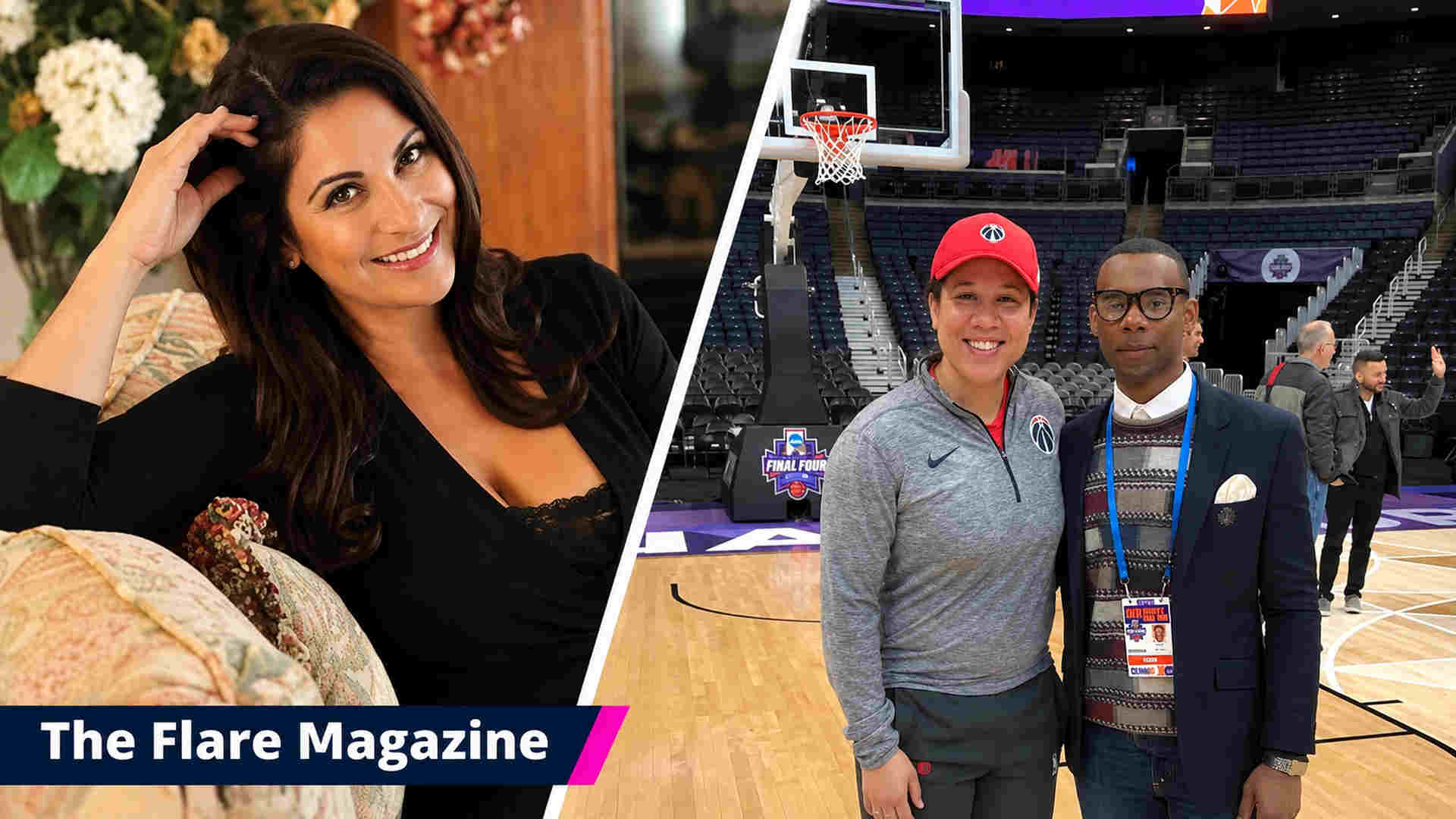
Debra Bollman is an American court reporter and live captioner who became widely known during the 2015 NCAA basketball tournament. Wisconsin player Nigel Hayes made a kind remark about her at a press conference without knowing his microphone was on. The clip spread online and made her an unexpected internet sensation.
She was already an experienced court reporter and ran a captioning business. Her work included major sports events, court cases, and live text services. Years later, she also earned high scores in national court reporting contests.
In this article, you will learn how Debra Bollman entered the field, what she does at sporting events, how the Nigel Hayes moment unfolded, and what is known about her family and career today.
Who Is Debra Bollman?
Debra Bollman is a trained stenographer who turns spoken words into written text at high speed. Her work covers legal cases, public events, and live programs. She also helps people follow speech through real-time captions.
Unlike a sports journalist, she does not ask the questions. She records the answers and turns them into a clear transcript that news reporters and other readers can use.
She worked for ASAP Sports at the 2015 NCAA tournament in Los Angeles. Players soon took an interest in how quickly she could record their words.
Professional records also use the name Debra Bollman Farfan. The National Court Reporters Association identifies her as a court reporter and captioner, while California court records list her as a certified shorthand reporter.
How Debra Bollman Found Her Career Path
Bollman explained how she entered court reporting during a 2017 interview with Humphreys University. Her interest began when she read about the people who recorded the O. J. Simpson trial in the 1990s.
The job appealed to her because it offered a way to support her children. She wanted to learn a useful skill that could help her build a career.
She contacted a nearby court reporting school and signed up within days. Once she started her training, she worked hard to improve her writing speed and accuracy.
She also built a personal dictionary to help her steno machine turn key strokes into words. Above all, she focused on writing the right words, not just writing fast.
By 2017, she had spent about 18 years in the field. She had worked in both state and federal courts. Those jobs gave her a strong base for the live reporting work she would take on later.
What a Stenographer Does at a Press Conference
A court reporter does not use a standard keyboard to type each letter of every word. A steno machine lets the writer press several keys at once. Those key groups stand for sounds or parts of words.
Special software reads those keys and shows words on a screen. Each writer uses a custom dictionary to help the text come out correctly.
At a press conference, the final text helps news writers check quotes. It also gives people who missed the event a record of what was said.
A spoken answer can be hard to catch in a busy room. A written copy lets people go back and read the words at their own pace. That is why these workers have an important role at major news events.
The work takes focus when people talk fast or use unusual names. During the 2015 NCAA tournament, Bollman was recording speech at roughly 285 to 300 words per minute.
Building CaptionCART and Working Across Sports
Her work grew into a business. In her Humphreys University interview, she explained that CaptionCART had been her company since 2002. It offered live captions and text services to clients with different needs.
Those clients included sports events, TV programs, and meeting hosts. She also provided live text for students who were deaf or hard of hearing.
Some jobs needed text on a television screen. Others required words to appear on a laptop or phone. The goal was to make spoken information easier for people to follow.
She also worked at major sports events. The California Court Reporters Association listed the French Open, Presidents Cup, Breeders’ Cup, NBA Finals, and World Series among the events she had covered.
One memorable assignment was the 2016 World Series. She worked at all seven games as the Chicago Cubs defeated the Cleveland Indians.
She could also work from home. During March Madness in 2015, she was making transcripts for a cricket event in New Zealand. Her work was not limited to events taking place in the United States.
The Nigel Hayes Moment at March Madness
The famous moment happened on March 25, 2015, before a Sweet 16 game at the Staples Center in Los Angeles.
Wisconsin Badgers forward Nigel Hayes was seated with teammates when he looked toward the stenographer and quietly said, “Gosh, she’s beautiful.”
He did not know his microphone would carry those words across the room.
Reporters began laughing, and Hayes looked embarrassed when he realized everyone had heard him. The video soon spread across sports websites and social media.
He later apologized to her on Twitter. She told Fox Sports that she found the remark sweet and did not feel an apology was needed.
The attention surprised her. Before the clip took off, she had only a small group of Twitter followers. Soon, news programs were asking her to talk about the moment. She also appeared on Inside Edition.
The two met after Wisconsin defeated Arizona in the Elite Eight on March 28. Sports reporter Jill Painter Lopez shared a photo of them together.
Why the Players Were Watching Her
Wisconsin’s players had already become curious about the steno machines used at their press conferences.
Hayes had tried unusual words, including “syzygy,” during earlier media sessions. It was a playful way to test the person recording his answers.
Arizona player Stanley Johnson was also amazed by how quickly she worked.
The players’ interest helped bring more attention to a profession that most basketball fans rarely think about.
Her Work in Captions and Accessibility
Live captions let viewers read words as they are spoken. They help people who are deaf or hard of hearing follow events.
Bollman explained that the NCAA had begun showing live text alongside press conference videos. The words appeared after only a short delay, helping fans follow the interviews from home.
In 2017, she showed a class at Humphreys University how a live caption feed works. The reporter hears speech, writes it on a steno machine, and uses software to send the text to a screen.
The same service can help people at school, at work, and while watching television.
She also spoke about writing down sounds, not just speech. During a live show, captions may tell viewers when a buzzer rings or a whistle blows.
Small details like those can make a big difference. They help people understand what is happening even when they cannot hear every sound.
Teaching, Leadership, and Professional Recognition
Her experience also led to leadership roles in the court reporting field.
In October 2015, she gave the keynote address at a California Court Reporters Association convention. She spoke about her move from courtroom reporting into sports captioning.
By 2017, she was serving as vice president of the state association. She wanted to help more people learn about live captioning and the opportunities available in the profession.
She also shared plans for a training course called 12 Steps to Realtime. The program was designed to help other writers improve their skills.
Her own skills appeared in national contest results years later. In 2021, she finished second overall in the National Court Reporters Association Realtime Contest, with an accuracy score of 97.23 percent.
Her professional achievements continued in 2026. The National Court Reporters Association’s official 2026 contest results listed Debra Bollman Farfan in third place overall, with a combined accuracy score of 98.300 percent. The published results were marked as preliminary.
These achievements give a much clearer picture of her career. They show that her skills continued to stand out long after the viral video.
Debra Bollman’s Family, Anthony Farfan, and Daughter Sophia
The media attention in 2015 also brought parts of her family life into the news.
Fox Sports reported at the time that she was a mother of three children and was engaged to Anthony Farfan.
Later professional records list her under the name Debra Bollman Farfan.
Her daughter, Sophia Bollman, followed a different career path. She sang with the band Detour 91 and later appeared on season 13 of NBC’s The Voice in 2017.
When the basketball clip made her mother famous online, Sophia was working to build a name in music. Her mother used some of that attention to share clips of her daughter singing.
The two also had a connection through sports work. In 2017, Sophia helped her mother with reporting support duties during the Major League Baseball playoffs in Los Angeles.
The experience gave the young singer a chance to learn about the work that takes place behind major sporting events.
Real Estate Work Beyond the Reporting Room
Stenography was not her only profession. At the time of the viral video, she was also working as a real estate agent in Southern California.
She told Fox Sports that she had closed on five homes in the Inland Empire during March 2015.
The two jobs kept her busy in different ways. Court reporting required careful listening and accurate written records. Real estate work involved clients, homes, and sales.
Her experience showed that she could manage more than one type of work while keeping up with a busy schedule.
Where Is Debra Bollman Today?
Her professional record continued long after the NCAA clip stopped making headlines.
In January 2025, the National Court Reporters Association identified her as a freelance court reporter and captioner from the Los Angeles area.
The Riverside County Superior Court’s directory dated July 24, 2026, also lists Debra Bollman Farfan as a reporter with realtime reporting ability. Her California certified shorthand reporter number is 11648.
These records show that she remained active in the profession that brought her to the NCAA tournament.
Her name may be familiar to basketball fans because of one short video. But her ongoing work and contest scores give a much fuller picture of her skills and career.
Final Thoughts
Debra Bollman became known online because of a few seconds at a basketball press conference. But her career was already well established when that happened.
She had learned a demanding skill, built a business, worked at major sporting events, and helped make live speech easier for people to access.
Her later achievements show that she continued to take her work seriously. The viral video may be what many people remember, but her long career is the larger part of her story.
Frequently Asked Questions
How Old Is Debra Bollman?
Fox Sports described her as 43 years old in March 2015. Her exact birth date has not been established through a dependable firsthand source, so a precise current age cannot be given with certainty.
Was Debra Bollman a Journalist at the NCAA Tournament?
She worked as a stenographer, recording the words spoken during press conferences. She was not there as a journalist asking players questions.
Who Is Debra Bollman’s Husband?
Anthony Farfan was identified as her fiancé in 2015 news coverage. Later professional records identify her as Debra Bollman Farfan.
Is Sophia Bollman Related to Debra Bollman?
Yes. Sophia Bollman is her daughter. She is a singer who appeared as a contestant on season 13 of The Voice in 2017.
Is Debra Bollman Still Working as a Court Reporter?
Her name appears in Riverside County’s July 2026 court reporter directory. She also finished third overall in the National Court Reporters Association’s 2026 Realtime Contest preliminary results.
You may also read: Marika Gerrard: The Camera Operator Who Helped Change TV News