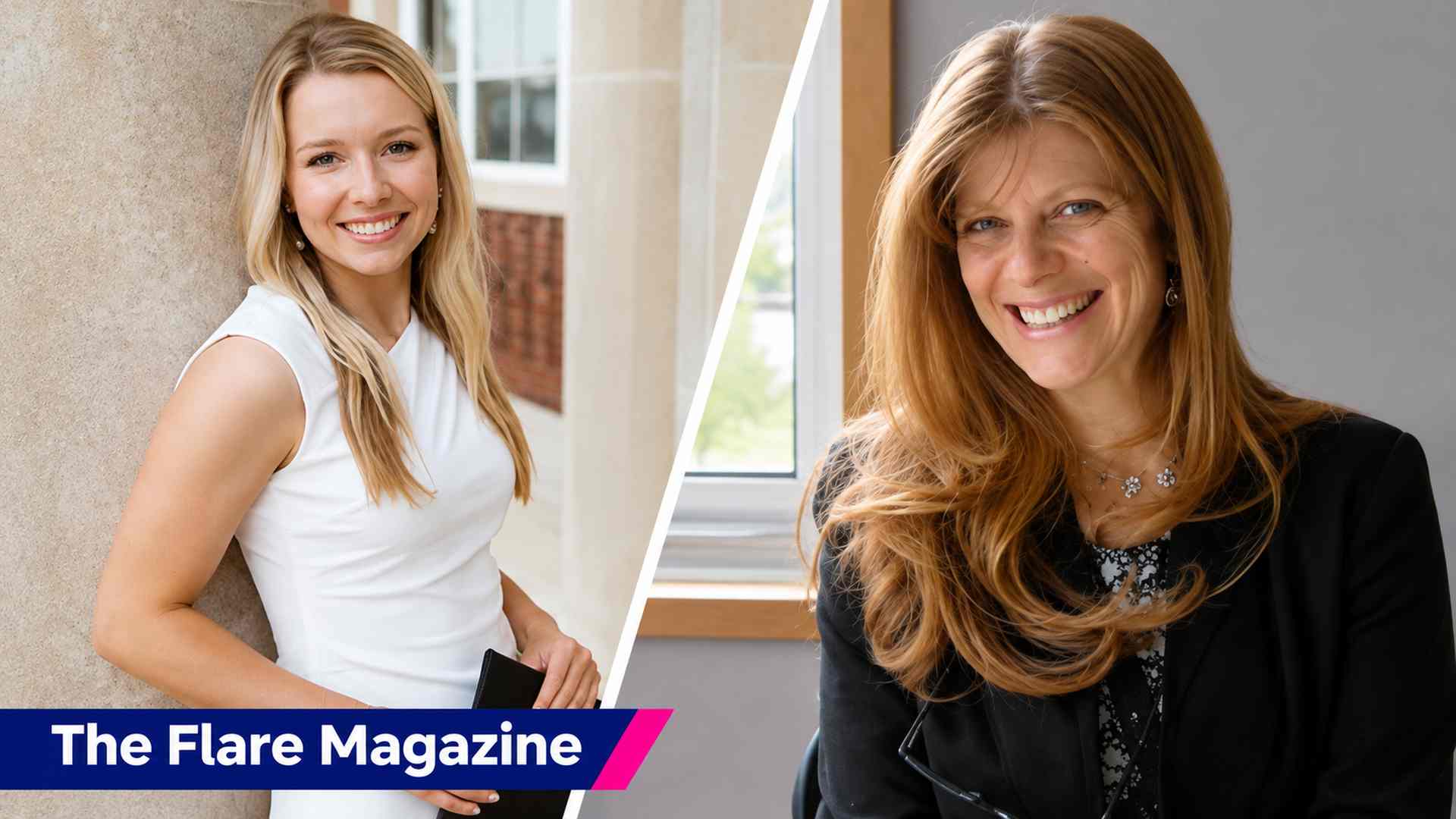
Eliza Simons is a New York lawyer at Petrillo Klein + Boxer LLP. She works on civil suits, internal reviews, and cases tied to crime and government rules. She has also worked at the law firm Skadden and clerked for a federal judge. She earned her law degree from Brooklyn Law School.
In this article, you’ll learn where she studied, what her legal work looks like, and what she wrote about privacy law. You’ll also see how her time in court fits the path she has built.
From Tulane to Brooklyn Law School
Simons earned a Bachelor of Arts from Tulane University in 2018. She then went to Brooklyn Law School in New York. She earned her law degree in 2021 and graduated magna cum laude. That Latin term is an honor for high grades.
She did more than attend classes. Simons was associate managing editor of the Brooklyn Law Review, the school’s scholarly legal journal. Editors check drafts, legal claims, and citations. It is work that calls for close reading and clear writing.
She also gained practical experience with two federal judges while she was still in school. One was U.S. Magistrate Judge Sarah L. Cave of the Southern District of New York. The other was Judge Claire R. Kelly of the U.S. Court of International Trade.
These roles were judicial externships. They let law students see how judges work with cases. The courts had distinct roles, too. The New York court handles federal cases. The trade court hears legal disputes over customs and trade.
This gave Simons a view of more than one part of the court system before she earned her degree.
Public Service Was Part of Her Law School Years
In 2021, Brooklyn Law School named Simons on its public service honor list. She was in the group for students who had logged 250 or more hours of service.
The school gives these honors to students who help people through legal service work. Its list placed her among the students whose work went far beyond their normal classes.
This matters because it is a clear part of her early path. Along with law classes and journal work, she made time to serve others. The honor came in the year she finished law school.
What She Wrote About Fingerprints and Face Scans
Simons wrote a law review note on biometric privacy, or rules for data tied to the human body. A fingerprint is one example. A face scan is another. These tools can help people log in to phones or prove who they are. But the data can cause harm if it is not kept safe.
Her note was published in the 2021 Brooklyn Law Review, Volume 86, Issue 3. Its title was Putting a Finger on Biometric Privacy Laws: How Congress Can Stitch Together the Patchwork of Biometric Privacy Laws in the United States.
The paper looked at how state and federal laws protect this kind of data. It set out the rules in place at that time and looked at gaps between them. One key point was that the U.S. had no single law aimed at this type of private data.
The note also asked what counts as biometric data and who has the right to sue when a rule is broken. That right to bring a case is known as standing. It matters because a law may offer privacy rights, while courts still have to decide who can use those rights in a lawsuit.
Simons proposed a federal law focused on biometric data. Her plan took ideas from the California Consumer Privacy Act but narrowed the scope to this one field.
Her law review note is free to read in Brooklyn Law School’s online collection. It has also been cited in a University of Chicago Business Law Review paper on the use of biometric data.
The work shows her interest in how law meets new tech. It is part of her work as a scholar, not a sign that all her clients have privacy law cases.
Skadden and a Federal Court Clerkship
After law school, Simons took on two roles that put her close to legal disputes. She worked as a litigation associate at Skadden, Arps, Slate, Meagher & Flom LLP. She also clerked for U.S. District Judge Nina Gershon in the Eastern District of New York.
A lawyer who works on lawsuits may draft court papers, study records, or help shape a case. Some cases settle, while others go before a judge. These tasks form part of the work done by teams at large law firms.
A judge’s law clerk has a different job. The clerk works for the court, not one of the sides in a case. The role includes legal research, case review, and work on court papers. It calls for care with both facts and law.
Together, the two jobs gave Simons a view of how both lawyers and judges deal with cases. The clerkship also built on her time as a student in federal courts.
Her Work at Petrillo Klein + Boxer
Today, Simons is an associate at Petrillo Klein + Boxer LLP. Her firm profile lists work for people and companies in internal investigations, criminal and regulatory proceedings, and civil litigation.
Those terms cover several kinds of legal problems. An internal review looks into events inside a firm or group. It may focus on records, emails, rules, or how a key choice was made. A lawyer helps the client sort the facts and assess any legal risk.
A criminal case concerns an alleged crime. A regulatory case deals with rules that a government agency can enforce. These cases can lead to court, but some work starts long before that point.
Civil suits deal with legal claims that are not criminal charges. They may cover contracts, money, or business disputes. The issues may be resolved by a settlement or through the court process. The facts and laws vary with each case.
Petrillo Klein + Boxer works on complex disputes and high-stakes reviews. Simons’s past work at Skadden and in a judge’s office gives context to the work she does at the firm now.
Where She Can Practice Law
Simons has a New York law license. Legal listings give 2022 as the year she joined the New York bar.
Her firm also lists her as admitted to three federal courts: the Second Circuit Court of Appeals, the Southern District of New York, and the Eastern District of New York.
The two district courts hear many federal cases at the trial stage. The Second Circuit hears appeals from certain trial court rulings. Such appeals ask a higher court to review a legal decision, not hold the same trial again. These admissions let a lawyer appear in distinct parts of the federal court system.
Her firm’s team page lists her as an associate and sets out the areas of law she handles.
The Other Eliza Simons in Entertainment
The New York attorney is not the actress Eliza Roberts. Roberts is married to actor Eric Roberts. She has also used the name Eliza Simons for film and casting credits.
A search for this name may bring up both women. Their careers are not linked. Simons works in New York law, while Roberts works in film and television.
A Career That Brings Several Skills Together
Simons’s path has moved through legal study, court work, and law firms. At Brooklyn Law School, she worked on a journal, wrote a paper on data privacy, and took part in public service. She then worked in litigation and for a federal judge. She now helps clients deal with lawsuits, inquiries, and legal rules.
Her 2021 paper stands out because it takes on a real issue: how to keep face scans and fingerprints safe under U.S. law. Her school honor is also part of the story. Both came before her full-time legal roles.
To read about another New York lawyer with federal court clerkship experience, see our profile of civil-rights lawyer Tony Balkissoon.
Frequently Asked Questions
Who Is Eliza Simons?
Eliza Simons is a New York lawyer at Petrillo Klein + Boxer LLP. Her work covers civil suits, internal reviews, and criminal and regulatory cases.
What School Did Eliza Simons Attend?
She earned a BA from Tulane University in 2018. She then earned a law degree from Brooklyn Law School in 2021, with high honors.
Did She Work for a Federal Judge?
Yes. She clerked for Judge Nina Gershon in the Eastern District of New York. As a law student, she also worked with Judges Sarah L. Cave and Claire R. Kelly.
What Is Her Paper on Biometric Privacy About?
Her 2021 paper asks how U.S. law should protect face scans, fingerprints, and similar data. It proposes a narrow federal law for that kind of private data.