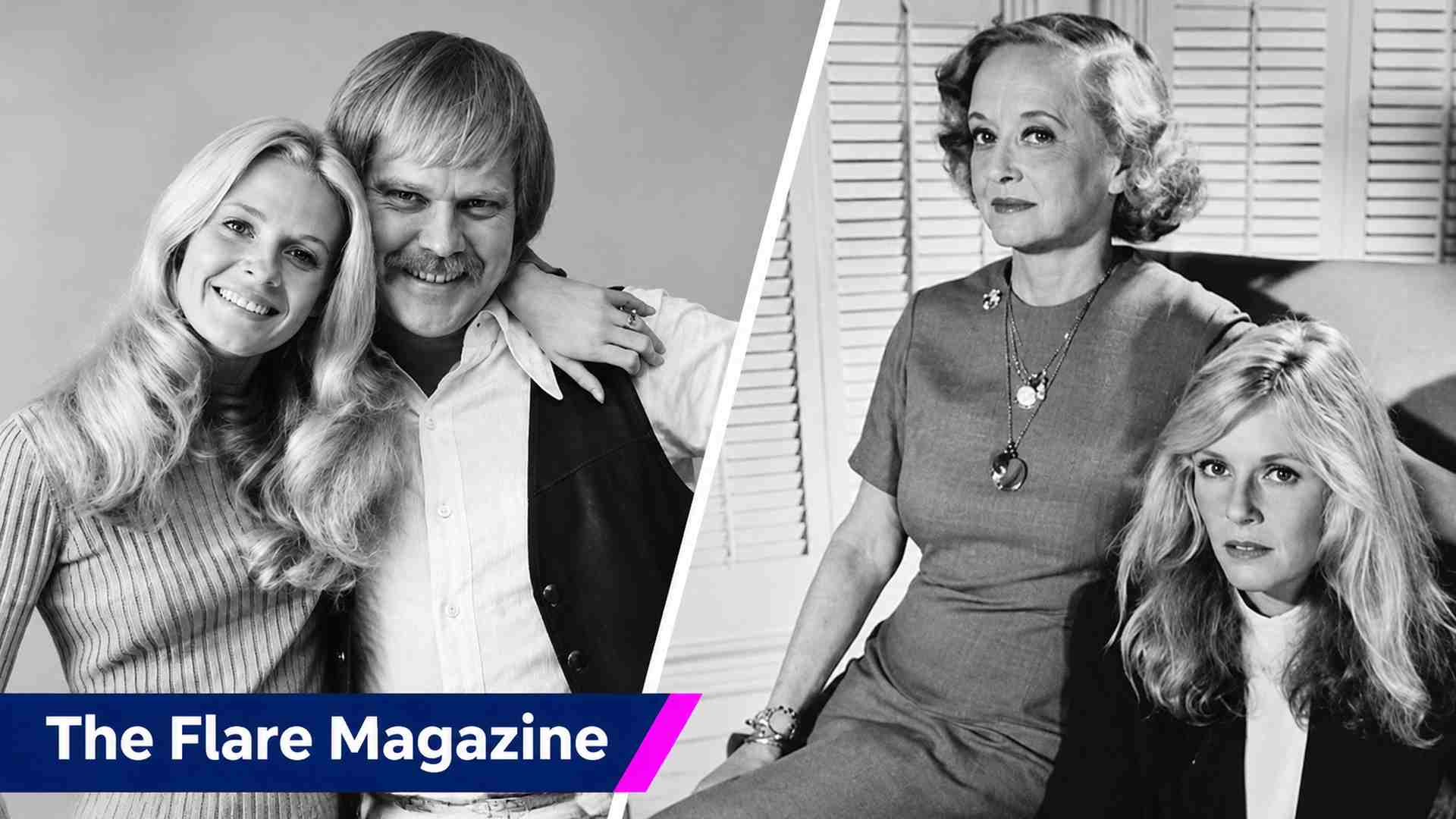
Dave Ellingson is an American songwriter, musician, and occasional actor whose work reaches well beyond his marriage to singer Kim Carnes. He wrote songs heard in records by Kenny Rogers, Frank Sinatra, and Barbra Streisand. His work reached fans of several kinds of music.
His story starts in the folk scene of the 1960s. He went on to write songs, make records, and play live shows. He did much of his best-known work with Carnes. Yet he also played guitar, sang, wrote lyrics, and helped shape records.
Here, we will look at Dave Ellingson’s early music career, major songwriting credits, work with Kim Carnes, family life, and other appearances, and how his music reached people far beyond his first stages.
Quick Bio: Dave Ellingson
- Full name: David M. Ellingson, professionally known as Dave Ellingson
- Born: March 2, 1942
- Age: 84 in 2026
- Known for: Songwriting, guitar, vocals, music production, and performances
- Early group: The New Christy Minstrels
- Spouse: Kim Carnes, married in 1967
- Children: Two sons, Collin and Ry
- Notable work: Kenny Rogers’ Gideon, “Don’t Fall in Love with a Dreamer,” and “Love Comes from Unexpected Places”
A Music Career That Started Before the Famous Songs
Before he had songs on major albums, Dave Ellingson played folk music. He joined The New Christy Minstrels, a large vocal group. Its members went on to make careers in pop and country music.
Kim Carnes and Kenny Rogers were also connected to that group during the 1960s. Those early ties soon led to new songs, studio work, and a hit Kenny Rogers album.
Carnes has recalled meeting Ellingson while they were working on the road. Their work and life grew together. They married in 1967.
The early years also involved performing as a duo known as Kim and Dave. He worked both onstage and as a writer. Both roles stayed with him for years.
Kim and Dave: The First Recordings and a Growing Songbook
One early appearance of the duo came with the 1971 film Vanishing Point. Carnes and Ellingson performed “Nobody Knows” for the soundtrack, while Carnes also contributed the song “Sing Out for Jesus,” recorded by Big Mama Thornton.
This was one of his early steps as a singer, not just a writer of songs. The pair also gained a place in the Los Angeles music scene as Carnes built her solo career.
Writing and Touring With David Cassidy
In the early 1970s, the couple worked with David Cassidy at the peak of his fame. They contributed songs to his recordings, and Kim and Dave also performed as an opening act on his tours.
Ellingson’s credits include Cassidy material such as “Some Kind of a Summer” and “Can’t Go Home Again.” His songs could now reach fans far beyond the folk clubs where he started.
The tours did not pull the pair away from writing. The pair continued developing music for other performers while Carnes pursued records of her own.
A Song Recorded by Frank Sinatra
In 1974, Frank Sinatra recorded “You Turned My World Around” for the album Some Nice Things I’ve Missed. Ellingson and Carnes are credited as lyricists, while Bert Kaempfert and Herbert Rehbein supplied the music.
He shared the writing credit with three others. It was not a solo piece. His words still became part of a Sinatra record.
How “Love Comes from Unexpected Places” Expanded His Reach
Next came Carnes’ 1976 album Sailin’. Ellingson contributed guitar, banjo, vocals, and songwriting, while the couple’s song “Love Comes from Unexpected Places” became a particularly meaningful achievement.
It won the Professional Grand Prize at the 1976 American Song Festival, giving both writers a major honor. The song also earned a composition award at the Tokyo Song Festival.
A year later, Barbra Streisand recorded it for her 1977 album Superman. Her version brought the song to a new set of fans.
The song went from Carnes’ record to one by Streisand. It reached new fans through a fresh voice.
Other songs from Carnes’ 1970s albums also carried joint writing credits. On her 1975 self-titled album and Sailin’, they wrote music together. Their work went far beyond their marriage.
The Kenny Rogers Album That Defined a Major Partnership
For many listeners, Ellingson’s best-known credit is tied to Kenny Rogers and the 1980 album Gideon. Dave Ellingson and Kim Carnes wrote the whole album as the tale of a made-up cowboy.
It was a new kind of task for the pair. Each song had to stand alone and also add to the life of Gideon Tanner.
Creating the Story of Gideon Tanner
In a later interview, Carnes explained that Rogers had asked the pair to write him a complete concept album. First, they gave the cowboy a name and a life. Then they wrote his songs.
The record follows the character through his complicated life and relationships. The goal was more than a catchy tune. Each song had to fit the full story.
Released in April 1980, Gideon became a No. 1 country album. Its biggest single also turned a fictional relationship into a song heard well beyond country radio.
“Don’t Fall in Love With a Dreamer”
“Don’t Fall in Love with a Dreamer”, sung as a duet by Kenny Rogers and Kim Carnes, was written by Carnes and Ellingson. It reached No. 4 on the Billboard Hot 100, No. 3 on the country chart, and No. 2 on the adult contemporary chart.
The song reached pop, country, and easy-listening fans. It became one of Ellingson’s biggest hits as a writer.
Carnes has explained that she first wrote the song at a piano rather than planning it as a duet. Rogers later asked whether she would sing it with him, and the song became the album’s best-known hit.
The album also included Ellingson’s writing on songs such as “Gideon Tanner,” “No Good Texas Rounder,” and “You Were a Good Friend.” Each track added to the cowboy’s story.
His Role in Kim Carnes’ Music Went Beyond Writing
As Carnes’ career grew, Dave kept working with her. Album credits place him on guitar, banjo, vocals, backing vocals, and songwriting, while some releases also list production work.
For example, he was among the producers credited on Carnes’ 1979 album St. Vincent’s Court, alongside Carnes and Daniel Moore. Later credits include vocal and instrumental contributions to albums released in the 1980s.
On View from the House in 1988, he is credited with guitar and vocal harmony. He stayed at work as Carnes moved from soft rock to pop and country.
He also joined her live shows. Carnes described him as someone who traveled with her, played percussion, and supplied background vocals, so they worked together onstage as well as in the studio.
His Work Away From the Spotlight
In a 2015 conversation with journalist Jeff Pearlman, Carnes said Ellingson also managed their music publishing companies. Fans may not see that role, but it is part of a writer’s work.
Music publishing covers the rights and business side of songs. It let him handle the business side of songs he had helped write.
Ellingson’s career therefore cannot be measured only by appearances on a concert poster. Writing, playing, singing, producing, and publishing all formed part of his contribution to recorded music.
Marriage, Children, and a Shared Professional Life
Dave Ellingson and Kim Carnes married in 1967, after meeting through their work in music. They have two sons, Collin and Ry.
They raised a family while making music and touring. Carnes has spoken about taking her children on some tours and about the practical effort involved in combining work with family responsibilities.
Their work and marriage have long been linked. They wrote songs, made records, played shows, and ran music firms together.
At the same time, Ellingson’s individual identity deserves attention. His work with Sinatra, Streisand, Cassidy, Rogers, and Carnes tells its own story.
Film Work and Other Credits
Music is his central field, but Ellingson also has an acting credit in the 1980 Western film The Legend of Alfred Packer. He played James Humphrey, a member of the party depicted in the film.
He also has music credits tied to film. Acting was a small part of his career. Music was his main work.
His name can also be found on later reissues and compilation albums. Many of those releases reuse older songs. The newer release date does not mean he wrote new music that year.
Why His Songwriting Still Matters
Ellingson worked across musical settings that were different from one another: a folk vocal ensemble, teen-pop recordings, Sinatra’s traditional pop, Streisand’s adult contemporary music, and Kenny Rogers’ country storytelling.
His songs moved from one artist to another and found new fans. “Love Comes from Unexpected Places” traveled from Carnes to Streisand, while “Don’t Fall in Love with a Dreamer” became a major crossover duet.
He worked with Carnes as her sound changed over the years. He was a writer, player, and singer. His work adds up to more than one hit.
Frequently Asked Questions
How Old Is Dave Ellingson?
Dave Ellingson was born on March 2, 1942. He turned 84 in March 2026.
Who Is Dave Ellingson’s Wife?
His wife is singer and songwriter Kim Carnes. They married in 1967 and built a long-running musical partnership that includes co-written songs and live performances.
What Songs Did Dave Ellingson Write?
He helped write “Don’t Fall in Love with a Dreamer,” “Love Comes from Unexpected Places,” and “You Turned My World Around.” He also wrote for Kenny Rogers, Kim Carnes, and David Cassidy.
Did Dave Ellingson Write “Bette Davis Eyes”?
No. Jackie DeShannon and Donna Weiss wrote “Bette Davis Eyes,” which became Kim Carnes’ signature hit in 1981. Ellingson’s contributions to her music lie in other compositions and his instrumental and vocal work.
Does Dave Ellingson Have Children?
Yes. Dave Ellingson and Kim Carnes have two sons, Collin and Ry.
A Life Connected by Songs
Dave Ellingson’s story is the story of a musician whose work traveled through other people’s voices. He started in folk music and later wrote songs heard through David Cassidy, Sinatra, Streisand, and Rogers.
His most enduring achievement is the body of music he helped create. His marriage to Kim Carnes is part of his story. So are the songs he wrote and the music he made.
You may also read: Janet Lee Constantine, Leon Russell’s family, and his musical legacy.