
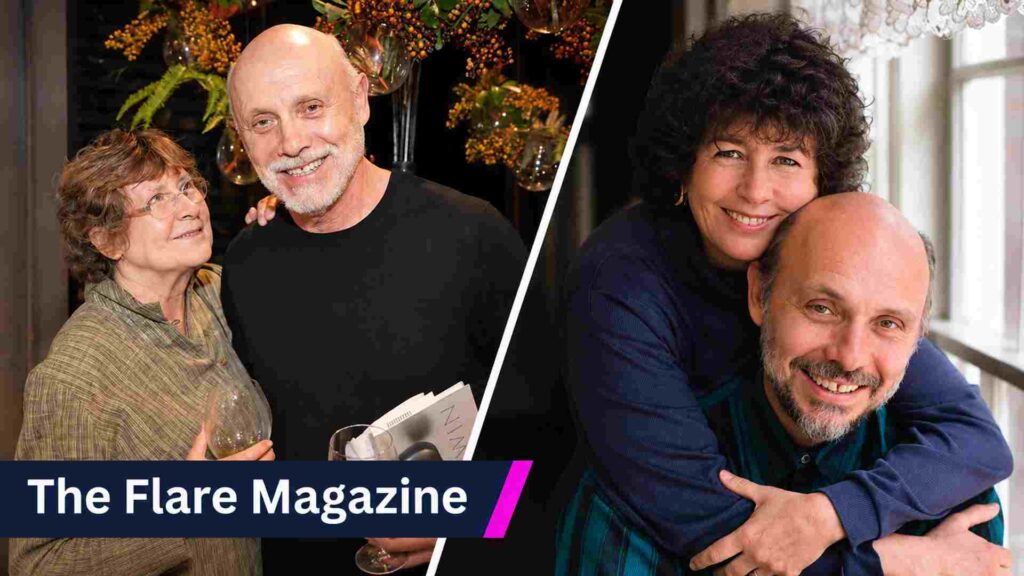
Carolee Campbell is an American actress, photographer, and book artist. She became known for playing nurse Carolee Simpson on the daytime drama The Doctors. She later founded Ninja Press, a small California press that makes fine art books by hand.
Her work took her from the stage to television and then into photography and printing. She also married actor Héctor Elizondo in 1969. While he kept acting, she built a new career around books and visual art.
In this article, you’ll learn about Carolee Campbell’s early acting years, soap opera work, Emmy honor, marriage, and art career. You’ll also see what makes Ninja Press different from a regular book publisher.
Who Is Carolee Campbell?
Carolee Campbell is a former actress who became a leading figure in handmade book publishing. She first reached a wide audience on NBC’s long-running soap opera The Doctors. She then spent decades making limited-edition art books.
She grew up in Los Angeles and trained in theater from a young age. Her work on stage took her to New York, where she later joined a daytime television cast.
In 1984, she started Ninja Press in California. The business is a small workshop, not a large publishing house. She designs and makes its books with great care.
Her career is unusual because each part uses a different art form. Yet acting, photography, and printing all depend on a strong eye for detail and a clear sense of how to present an idea.
Growing Up and Learning Theater
Campbell was born and raised in Los Angeles, California. Her own account on the Ninja Press website says she began to train in theater at age 15.
As a young adult, she moved to New York City to continue her work in acting. She took part in plays and learned from the stage before moving into regular television work.
Her interest in books grew as she studied plays and the writing behind them. Theater brought her close to words as well as the work of live actors.
Those years gave her a base for a career that would change more than once. She did not start with printing. Her first trade was performance.
Her Role on The Doctors
The Doctors was an American daytime drama set around a hospital. It aired on NBC for many years and followed the lives of the staff and people they treated.
Campbell played nurse Carolee Simpson. Her character became a familiar part of the show during the late 1960s and 1970s.
A soap opera asks actors to learn new scenes at a fast pace. The story also changes over many episodes. This makes the job different from a short stage run or a single film.
Her part gave viewers time to get to know one character through years of stories. It also helped bring her national notice before she chose to leave acting.
Her Emmy Award and Other Acting Work
Campbell did more screen work than her long role on The Doctors. She also appeared in the short film Sticky My Fingers… Fleet My Feet and the TV film This Is My Son.
In 1978, This Is My Son received an Emmy honor in religious programming, with Campbell named for her performance. It was a different role from nurse Carolee Simpson.
The award added to a long acting career that had begun in the theater. It also came as she was building a strong interest in visual art and photography.
These credits help explain why art schools and libraries still describe her as an Emmy-winning actress when they present her later work in bookmaking.
Photography Became a Second Career
Campbell began taking photographs while she was still acting. She learned how to work in a darkroom and explored older methods of making prints.
The darkroom gave her control over how a picture appeared on paper. She could choose light, contrast, and the way a final image felt to a viewer.
She later began to place her pictures in book form. A group of images can tell a story through its order, scale, and space on the page.
That shift led her toward bookbinding. She wanted more than a pile of prints. She wanted to make a complete object that people could hold and read.
Why She Left Acting
Her move away from television was a choice to focus on making art. In accounts of her career, she has described a growing interest in more private, hands-on work.
Acting brings a person into a cast with many coworkers. Bookmaking can be much quieter. It gives the maker time to plan each page and work at a slower pace.
She took classes and learned new skills rather than treating printing as a quick hobby. That training gave her the tools to make books from start to finish.
Her path is useful to readers who know her only as an actress. It explains why her later work is most often found in libraries and art collections instead of on screen.
The Founding of Ninja Press in 1984
Ninja Press began in 1984 in the Los Angeles area. Campbell has remained its sole owner and maker. The name came from her black cat, Ninja.
The press focuses on small runs of books, often built around poems. Each project brings together the writing, the look of the page, the paper, and the binding.
She learned letterpress printing after studying book design and binding. The official Ninja Press history explains how her photography led her into this new form of art.
The press does not aim to print thousands of copies for stores. A small edition gives her space to make each book as a complete art object.
How She Makes Fine Press Books
A fine press book is made with close care for both its text and its design. The words are important, but the paper, type, images, and binding also shape the reading experience.
Campbell sets metal type by hand. She prints on a Vandercook flatbed proof press. This method gives her direct control over the letters and how they sit on the page.
She also designs and binds the editions. Some books include her photographs or other artwork. Each choice must fit the words and the form of the book.
A normal print run may use large machines to make many copies at once. Her work uses much slower methods. That makes the physical book part of the art.
Poetry at the Heart of Her Work
Ninja Press has made many books of contemporary poetry. Campbell has said this type of writing became a major part of what she wanted to publish.
Poems often use short lines and open space on the page. In a handmade book, that space can be part of how the reader feels the words.
The press has also worked with older writing. One example is Henry David Thoreau’s essay Walking, which Campbell produced in a small edition with help from the Friends of the UCSB Library in 1988.
The project tied her work to a university library. It also gave an older text a new visual form, showing that fine printing can reach beyond new poetry.
Books in Major Library Collections
Campbell’s work is held by major libraries and art institutions. Her own press history names the British Library, the Getty Center, Scripps College, and Stanford University among collectors.
A library may keep an artist’s book because it shows a special way of using paper, printing, and text. The book has value as an object as well as a piece of writing.
The University of California, Santa Barbara, holds a large Ninja Press archive. It includes papers, drafts, photos, talks, and files linked to her book projects.
Those records let students and scholars look at how a book was made. They also help preserve the work of a small press that may not appear in mass-market book lists.
Marriage to Héctor Elizondo
Carolee Campbell married actor Héctor Elizondo in April 1969. He later became known for work in films and shows such as Chicago Hope and Last Man Standing.
Both had careers in performance when they first built their life together. Their later work moved in different directions as she turned to photography and printing.
Elizondo won an Emmy for Chicago Hope in 1997. In an interview with the Television Academy, he recalled that he forgot to thank his wife during his acceptance speech.
That story is one of the small public moments linked to their long marriage. It shows that the two have had busy creative lives, even when their work did not take place in the same field.
Carolee Campbell’s Creative Legacy
Her work gives an uncommon answer to the question of what a former TV actor does next. She did not simply take a break from the screen. She learned a new craft and built a long body of work.
Ninja Press has joined words, pictures, and printing for decades. The books are known for the way each part supports the rest.
Her archive at UCSB also means that the making of the books can be studied, not just the finished copies. That adds to the value of the work for the next group of artists.
For viewers of The Doctors, she remains a familiar face from daytime TV. For book artists, she is known for a very different form of work. Both are part of the same career.
Final Thoughts
Carolee Campbell built two distinct careers in the arts. She earned notice as an actress, then made photography and handmade books her main work.
Her role on The Doctors explains her early fame. Ninja Press explains why her name is still important in art and library circles.
The key to her story is not a change from fame to silence. It is a change in the way she chose to make art.
Frequently Asked Questions
Who is Carolee Campbell?
She is a former actress, photographer, and the founder of the handmade book publisher Ninja Press.
What show did Carolee Campbell act in?
She played nurse Carolee Simpson on the NBC daytime drama The Doctors.
Did Carolee Campbell win an Emmy?
Yes. She won an Emmy for her performance in This Is My Son, a TV film.
Who is Carolee Campbell married to?
She married actor Héctor Elizondo in 1969.
When did Ninja Press begin?
Campbell founded Ninja Press in 1984. It produces small editions of handmade art books.
You may also read: Rodd Elizondo and the family of actor Héctor Elizondo.
