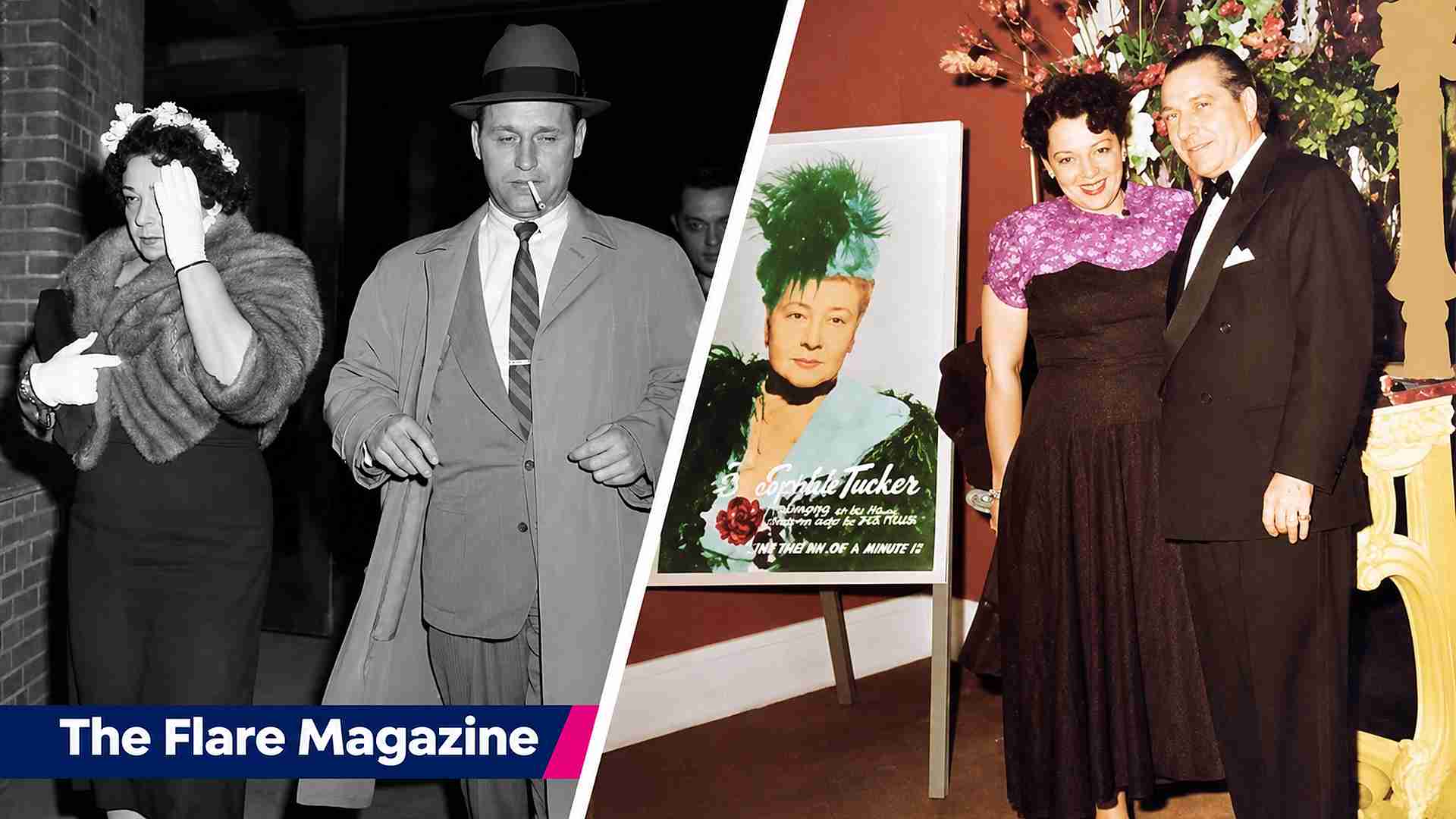
Lauretta Giegerman, also called Loretta Geigerman Costello, was the wife of New York underworld figure Frank Costello. Their marriage began in the 1910s and lasted until his death in 1973. She also appears by name in U.S. tax records that continued after her husband’s death.
Most accounts focus on Frank’s criminal ties and political reach. Lauretta’s own public story is smaller, but it includes her early stage work, married life in New York, and her place in a long court case.
In this article, you will learn about her names, marriage, home life, links to Frank’s career, federal tax case, and the facts that set her story apart from mob fiction.
Who Was Lauretta Giegerman?
Lauretta Giegerman was the longtime wife of Frank Costello, born Francesco Castiglia. He became one of the best-known figures in New York’s organized-crime history.
Some older sources call her Loretta, not Lauretta. The surname also appears as Geigerman or Giegerman. In legal papers, she is listed as Loretta B. Costello.
She was not a public crime boss. The records show her as Costello’s wife and later his widow, while most of the charges and stories about rackets focus on him.
Keeping those roles apart is key to her biography. Marriage to someone linked with crime does not, by itself, show that a spouse ran criminal work.
The Names Lauretta, Loretta and Bobby
Searches for Lauretta Giegerman can lead to records under another spelling. In a 1949 TIME profile, she was named Loretta Geigerman Costello.
The same report used Bobby as a nickname. It placed her in Frank’s home life rather than listing her as a leader in his business dealings.
Later legal papers use Loretta B. Costello. That name matters because it ties the woman in family accounts to the widow named in a federal tax case.
For readers looking through old news, the name changes are more than a small detail. A search for one spelling can miss a useful record under another.
Her Early Work Before Marriage
TIME described Loretta as a former showgirl in a 1949 profile of Frank Costello. That is one of the older published references to her life before marriage.
A showgirl might take part in stage acts, dance numbers, or other live shows. That label alone does not give a full list of the parts a person played.
No complete set of credits for Lauretta’s stage work is part of the main historical record used here. Her name is known far more from her later marriage.
Still, the 1949 account is a useful detail. It shows that she had an identity connected with stage work before becoming known as Mrs. Costello.
Marriage to Frank Costello in the 1910s
What the historical dates show
Sources place the marriage in the 1910s. TIME wrote in November 1949 that Frank had been married for 35 years. That points to about 1914.
The Crime Museum gives 1918 as the year of the wedding. The years do not match, so a single exact wedding date should not be treated as settled.
The larger timeline is clear. The couple spent many decades together and remained married until Frank’s death in February 1973.
Their marriage began long before the televised hearings and mob histories that made his name known to later audiences.
Who was Frank Costello?
Frank was born in Italy and came to New York as a child. He later took the name Costello and entered the world of gambling and bootlegging.
He built ties with men such as Lucky Luciano and Meyer Lansky. He also became known for his links to politics and the legal system.
Frank’s path explains why Lauretta’s name appears in stories about New York crime. Yet those stories must not be turned into claims about her own acts.
The history of a famous husband gives context to a spouse’s life. It cannot fill every blank about her job, views, or private choices.
Life on Central Park West
By 1949, the couple lived on Central Park West in Manhattan. TIME described their home as a seven-room apartment.
The report also noted that they had a place in Sands Point, New York. This gave them a summer home outside the city.
Those details show how the couple lived during a period when Frank was a major public name. The homes reflected the income and status linked to his life.
The same profile described a settled home routine, even while public news about Frank often centered on probes and claims of misconduct.
The contrast is part of the period’s history. A person could be under public scrutiny while still keeping a private household away from the spotlight.
Did Lauretta and Frank Costello Have Children?
The 1949 TIME report stated that the couple had no children. No later reliable family record in this research changed that account.
That is useful because some online family trees attach people to famous names without showing how they are related.
A marriage can be long even when the couple has no children. For the Costellos, the public records point to decades spent together as husband and wife.
There is no need to assign them sons or daughters from unrelated Costello families. The common surname can lead to mix-ups with other people.
Frank Costello’s Public Troubles and the Home He Shared
Government probes in the mid-1900s
Frank faced many probes tied to his gambling interests, taxes, and reported links with crime groups. His name appeared in national papers as officials looked into those dealings.
He also became a major subject of the Senate’s 1950s crime inquiries. Those hearings drew wide public interest in organized crime.
Lauretta’s role in this history was not the same as his. Her name may appear in legal and tax papers, but that does not show she led his gambling work.
The point matters for readers who know the Costello story through films and crime shows. Drama can blur the line between a real family member and a made-up mob character.
The 1957 shooting
In May 1957, Frank survived a shooting in New York. The attack marked one of the best-known events in his late life.
The event involved rival forces in the organized-crime world and drew more press attention to Frank’s name.
It did not make Lauretta a public crime figure. Her place in the story was that of his wife during a dangerous chapter in his life.
Old news accounts do not provide a clear record of what she saw or did at the moment of the attack, so those private scenes do not belong in her biography.
Loretta Costello in Federal Tax Records
Why her name appears in the case
One of the strongest sources about Lauretta is a U.S. Tax Court case involving Frank and Loretta Costello. It followed tax disputes from years before Frank died.
The court record says the couple filed joint income tax returns for some of the years under review. It also lists disputes over several other years.
Joint tax filings can make both spouses part of a legal case. That is different from a finding that a spouse ran the business at the center of a dispute.
The case went on long after the first tax years involved. It shows how a legal matter can continue for decades, even after one party dies.
Her role after Frank’s death
Frank died on February 18, 1973. The court later called Loretta his widow and sole heir.
In the 1976 proceedings, the court dealt with claims against the couple and the estate. Loretta was named in the case as a surviving party.
The 1976 Tax Court ruling names Loretta B. Costello as a petitioner. It also records her place in the case after Frank’s death.
This makes her more than a name in a crime biography. She was a person named in a real legal record, with duties tied to a long tax dispute.
The court record does not give a full account of her later daily life. It does establish that she was still involved in the legal matter in 1976.
Lauretta Giegerman and Popular Mob History
Frank Costello has appeared in books, films, and TV stories about New York crime. That has kept interest in his family alive long after his death.
Such stories may mix several real events with made-up scenes. A character’s actions in a film do not prove that a real wife did the same things.
The film The Alto Knights, released in 2025, brought more attention to Frank and rival boss Vito Genovese. It used actors to tell part of that era’s story.
For Lauretta, the older news and court papers are more useful than film dialogue. They show her actual name, homes, marriage, and legal link.
Readers can enjoy a crime drama while still keeping the facts of one woman’s life separate from a script.
What Is Known About Her Later Life?
The Tax Court record places Loretta in the story in 1976, three years after Frank died. It is a strong record of her later public identity as his widow.
Her birth date, final years, and death are not set out in that ruling. Family trees give dates, but those entries do not all agree.
The strongest facts remain the long marriage, the 1949 account of their home, and the tax case that named her directly.
That is enough to place her in a clear historical setting without inventing a last interview or a private scene from her life.
Final Thoughts
Lauretta Giegerman, also called Loretta Costello, was part of New York history through a long marriage to Frank Costello. Her own record includes stage work, home life, and a federal court case.
Her story is best told through those known events, not through the crimes of her husband or scenes made for the screen.
Frequently Asked Questions
Who was Lauretta Giegerman?
She was the wife of Frank Costello, a major figure in New York organized-crime history.
What other name did Lauretta use?
Old sources also call her Loretta Geigerman Costello, Bobby, and Loretta B. Costello.
When did she marry Frank Costello?
Historical accounts put their marriage in the 1910s, with sources citing different years.
Did the Costellos have children?
A 1949 TIME profile described the couple as having no children.
Why was Loretta Costello named in a tax case?
The case involved joint tax filings and disputes that continued after Frank died in 1973.
You may also read: Jane Dobbins Green: Ray Kroc’s Second Wife and John Wayne Link