Lui Che Woo was a Hong Kong business leader who built K. Wah Group and helped turn Galaxy Entertainment into a major Macau resort operator. Tony Bennett was an American singer known for classic songs and a long Grammy-winning career. Their lives are worth comparing, but no reliable account establishes that they worked together.
Both men were born in the 1920s and grew up during hard times. One shaped hotels, real estate, and leisure in Asia. The other brought jazz and popular standards to listeners around the world, while also working as a painter and arts advocate.
In this article, you’ll discover their early lives, work, families, honors, and causes they supported. You’ll also learn how their careers differed, what they had in common, and whether a personal or business connection is known.
Who Were Lui Che Woo and Tony Bennett?
Lui Che Woo was born in Jiangmen, Guangdong, China, in 1929. He grew up in Hong Kong and set up his first K. Wah firm in 1955. It later grew into a group with interests in property, hotels, building supplies, and tourism.
Tony Bennett (1926 to 2023) was born Anthony Dominick Benedetto in Astoria, Queens, New York. He became one of America’s best-known singers of traditional pop and jazz standards. His work also included painting, civil rights advocacy, and arts education.
Lui died in Hong Kong on November 7, 2024, at age 95. Bennett died in New York City on July 21, 2023, at age 96. Neither man is alive today, but the companies and cultural work linked to their names continue.
K. Wah grew from a small firm into a group with more than 200 subsidiaries. Bennett sold millions of records and kept making music well into his 90s. Both went far beyond the work they did in youth.
Lui Che Woo’s Early Life and Business Career
A Childhood Shaped by War and Work
Lui was born in 1929 and moved to Hong Kong with his family at about age four. His early years took place amid major unrest in China and, later, the Japanese occupation of Hong Kong.
As a boy, Lui helped earn money for his family. He did small jobs and traded goods long before he owned a big firm.
During the war years, he sold snacks and other goods. After the war, he moved into trades such as car parts and tools. These jobs gave him a base for his next step.
Hong Kong needed new roads, homes, and offices after the war. Lui chose to serve the firms that built them. That choice led to K. Wah.
Building K. Wah From Construction Materials
In 1955, he started the first K. Wah company. It supplied machinery and building materials when Hong Kong needed more space, roads, and housing.
He brought heavy equipment into the quarry business and helped move the trade away from older manual methods. Quarry stone and concrete were basic parts of Hong Kong’s fast building boom.
During the 1960s, his work grew to include quarry rights at Anderson Road and investments in real estate. These steps moved K. Wah from the supply side of construction into owning and developing property.
The group later expanded outside Hong Kong. Its projects reached mainland China and other markets, while property development became a central part of its business.
K. Wah International Holdings was listed in Hong Kong in 1987. The public listing marked a new stage for a group that had started in a very different part of the economy.
Hotels, Galaxy Entertainment, and Macau
Hotels became a new part of his work. K. Wah set up sites in Hong Kong and the United States. That meant it could now serve hotel guests as well as builders.
In 2002, Galaxy won one of Macau’s gaming licenses. The deal let the group build and run large casino resorts. It was a new field for Lui’s business.
StarWorld Hotel opened in 2006. The much larger Galaxy Macau resort opened on May 15, 2011, with hotels, dining, and attractions alongside gaming facilities.
This move shows why his career is tied to Macau’s modern visitor economy. His role was to develop and run large sites for travel, hotels, and leisure, not to perform as an entertainer.
Tony Bennett’s Rise From Queens to the World Stage
Family Roots, School, and Army Service
Bennett grew up in an Italian American family in Astoria. His father died when he was ten, and his mother, Anna, worked to support three children.
He loved both singing and drawing as a boy. He studied at New York’s High School of Industrial Arts but left school as a teenager to help earn money at home.
He worked as a singing waiter before serving in the U.S. Army during World War II. His time in Europe included combat service and exposure to the harsh aftermath of the war.
Back in New York, he studied voice at the American Theatre Wing. Jazz bands shaped the way he sang. He paid close care to each word and note.
The Songs and Performances That Made Him Famous
A major break came in 1949 when comedian Bob Hope heard him perform with Pearl Bailey. Hope also helped give Anthony Benedetto the shorter stage name Tony Bennett.
He signed with Columbia Records in 1950. Early popular songs included Because of You, Cold, Cold Heart, and Rags to Riches, which introduced his voice to a wide audience.
In 1962, he recorded I Left My Heart in San Francisco. The song became his best-known recording and earned two Grammy Awards, including Record of the Year.
His music drew from the Great American Songbook, a group of well-loved songs written by composers such as George Gershwin and Cole Porter. Bennett valued the melody and meaning of a song and often worked with jazz players.
Frank Sinatra admired him, and the two singers developed a friendship. Later, Bennett recorded Perfectly Frank, a tribute album that honored Sinatra’s musical world.
A Late Career That Reached New Generations
Bennett kept recording even when popular music changed around him. His 1994 MTV Unplugged album brought his voice to a younger audience and won Album of the Year at the Grammys.
He made duet albums with stars from different eras. Duets II reached number one on the Billboard album chart in 2011, when Bennett was 85.
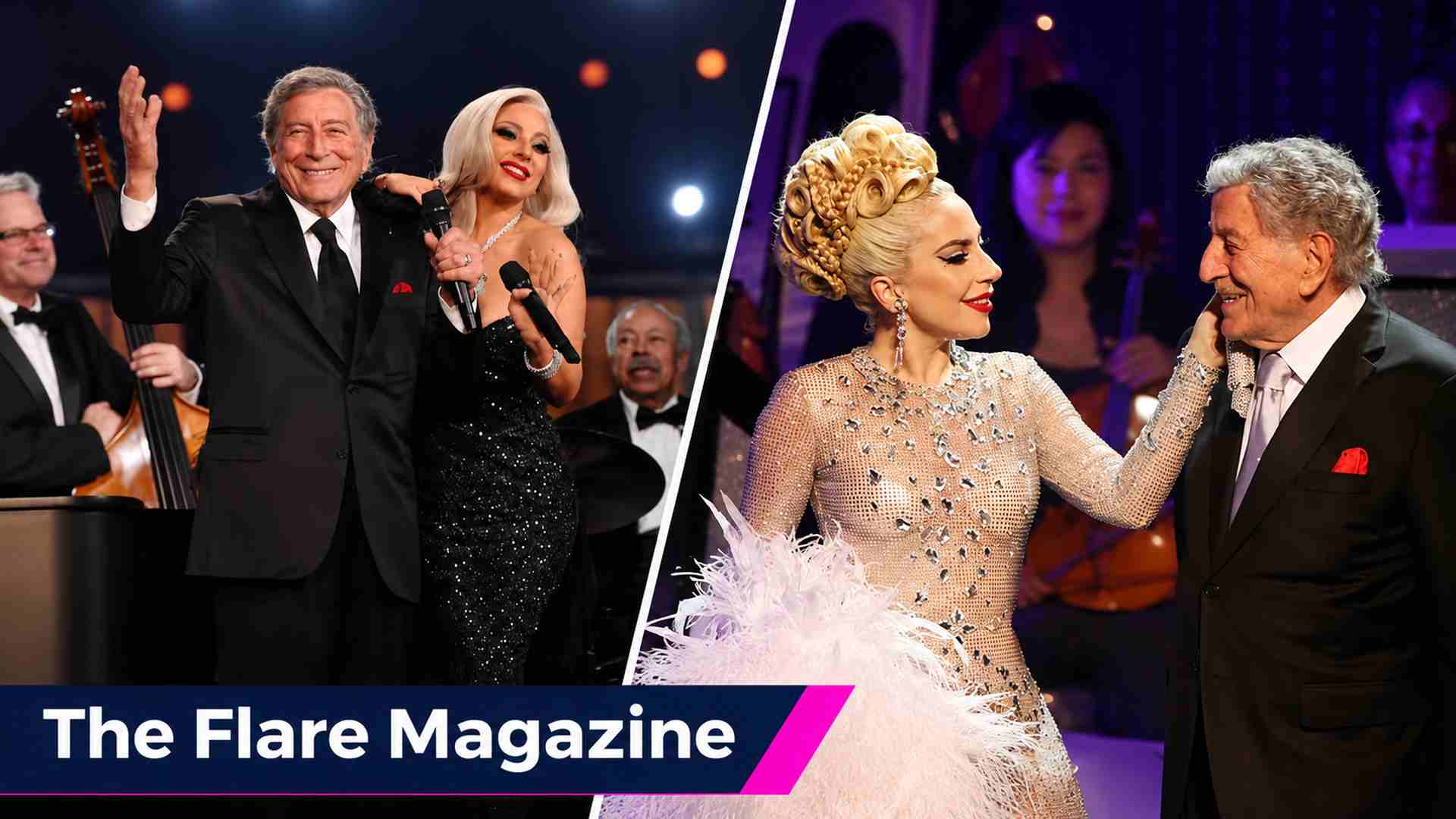
His 2014 album Cheek to Cheek with Lady Gaga also topped the chart. Their second joint album, Love for Sale, arrived in 2021 and won Best Traditional Pop Vocal Album at the Grammys.
He won 19 Grammys and had 41 nominations over his career. The Recording Academy also gave him a Lifetime Achievement Award. That special honor is not part of his 19 wins.
He gave his final public concerts with Lady Gaga at Radio City Music Hall in August 2021. His family had shared that he was living with Alzheimer’s disease, which had been diagnosed in 2016.
Their Wives, Children, and Family Connections
The Lui Family’s Role in Business
Lui was married to Chiu Kam-ping. The couple had five children: Paddy, Francis, Eileen, Lawrence, and Alexander. His family took part in events that marked major points in his life.
His son Francis Lui Yiu-tung spent years as a top leader at Galaxy. He had been deputy chairman since 1997. After his father’s death, he became chairman in December 2024.
All five children helped host his 95th birthday event in 2024. Their names were given in K. Wah’s account of the family gathering.
Music was part of that day. Lui sang a Cantonese song with Hong Kong star George Lam. The event was a family party, not a show with Tony Bennett.
Bennett’s Marriages and Four Children
Bennett married Patricia Beech in 1952. They had two sons, Danny and Dae. Both later worked in the music industry, with Danny managing his father’s career and Dae working in audio production.
He later married Sandra Grant. They had two daughters, Johanna and Antonia. Antonia followed a musical path and appeared as a singer in her own right.
He wed Susan Crow, a former teacher, in 2007. She was also known as Susan Benedetto. They worked as a team to help schools teach the arts.
His daughter Antonia also sang and opened some of his shows. His daughter Johanna kept a lower public profile. Both were part of the family he left behind.
Philanthropy, Public Service, and Honors
Education and Community Work in Hong Kong
Lui supported universities, medical research, and the training of young people. His gifts reached institutions such as the University of Hong Kong and the Chinese University of Hong Kong.
In 2015, he founded the LUI Che Woo Prize for World Civilisation. The prize aimed to honor work in sustainable development, human welfare, and a positive approach to life.
He also helped support health care and community groups. This work reached beyond the hotels and buildings that made his business name familiar.
Hong Kong awarded him the Grand Bauhinia Medal in 2012 for his public and charitable service. It is one of the region’s highest honors.
Music, Painting, and Access to the Arts
Bennett’s second major art form was painting. He worked under his birth name, Benedetto, and some of his paintings entered museum collections, including the Smithsonian.
He joined the civil rights movement and took part in the 1965 Selma march. His service as a soldier and his public stand for equal rights were important parts of his life outside music.
In 1999, Bennett and Susan founded Exploring the Arts to help public schools offer better arts programs. They also helped create the Frank Sinatra School of the Arts in Queens, which opened in 2001.
The National Endowment for the Arts named him an NEA Jazz Master in 2006, while the Kennedy Center honored him in 2005. These awards recognized a body of work that lasted across generations.
Were Lui Che Woo and Tony Bennett Connected?
No Established Collaboration or Family Link
No major life history or company account links them to a joint project. There is no good evidence that they were family, business partners, or song partners.
Galaxy ran hotels and sites that could host shows. Bennett sang on stages around the world. That shared link to live events does not mean he sang at a Galaxy site.
They also lived and worked in different main markets. Lui’s best-known projects were in Hong Kong and Macau. Bennett built his career in the United States, even as his concerts reached audiences abroad.
A useful name detail comes from StarWorld’s 2006 opening. Galaxy named the actor Tony Leung, not Tony Bennett, as a guest and hotel spokesman. The two Tonys are different people.
What Their Careers Have in Common
Both built their careers over many decades, and each adapted as the world changed. Lui moved from building supplies into property and tourism. Bennett found new listeners without leaving the style of music he loved.
Both also funded work that served the public. Lui placed much of that support in education, medicine, and broad social goals. Bennett focused strongly on the arts and access for school students.
One legacy can be seen in active companies, major resorts, and a world-focused prize. The other can be heard in recordings and seen in a school and an arts nonprofit.
These are not the same kind of achievement, and there is no need to rank them against each other. The useful comparison is how each man used his success to build work that could last after his death.
Frequently Asked Questions (FAQs)
Did Lui Che Woo and Tony Bennett ever meet?
There is no known record of them meeting. A shared link to hotels and show business does not prove they were friends.
What was Lui Che Woo best known for?
He founded K. Wah and led Galaxy as it grew in Macau. His firms worked in stone, real estate, hotels, and casinos.
Which song made Tony Bennett most famous?
I Left My Heart in San Francisco became his signature song after he recorded it in 1962. It won two Grammy Awards and stayed closely tied to his career.
Did either man have children who worked in the same field?
Yes. Lui’s son Francis became chairman of Galaxy Entertainment. Bennett’s sons Danny and Dae worked in music management and production, while his daughter Antonia became a singer.
What causes did the two men support?
Lui supported education, medical research, and work to improve lives through his prize. Bennett helped schools teach the arts and supported civil rights and other public causes.
Final Thoughts
Lui Che Woo left a mark on the way Hong Kong built and Macau welcomed visitors. Tony Bennett left a vast collection of songs, paintings, and projects that helped young people study the arts.
Their lives show two ways to make work last. A builder can leave firms and places; a singer can leave art that people enjoy for years. Both also chose to help others.
You may also read: Amanda Kate Lambert: Photography, Sinatra Archives and Family.