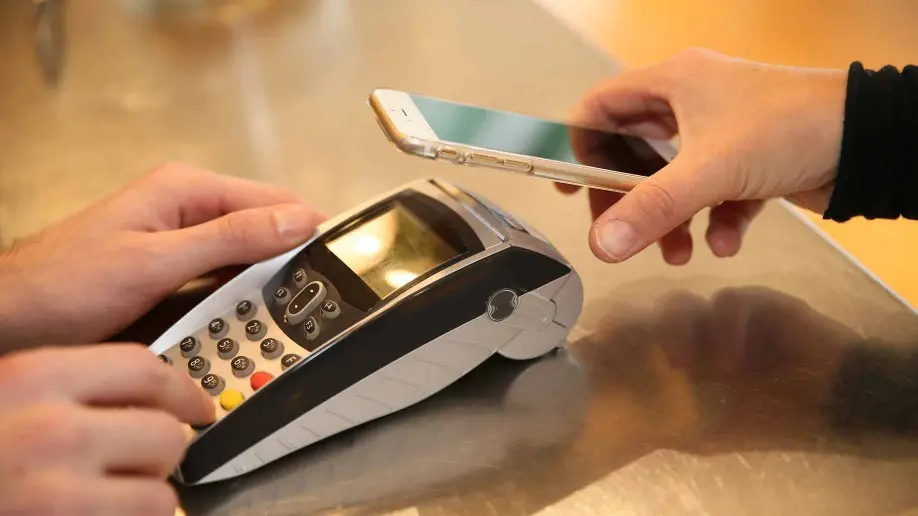
When I moved to Seoul for a six-month work placement last spring, I thought the hard parts would be the language and the spicy food. Both turned out to be fine. What actually caught me out was something far more ordinary: my phone bill.
In my second month, my bill from the carrier came in at nearly 140,000 won, about double what I had signed up for. I hadn’t been streaming abroad or making international calls. The extra came from a handful of small purchases I had barely noticed making, each one confirmed with a text message code and quietly added to my monthly bill.
If you’re heading to South Korea for study, work or a long stay, here is what I learned the slightly expensive way.
Your phone number is also a payment method
In the UK we mostly think of our mobile as something we pay for, not something we pay with. In Korea, carrier billing is everywhere. Online shops, app stores, games, webtoon platforms, delivery apps and even some ticket sites offer a “pay by phone” option. You enter your number, type in a six-digit code sent by SMS, and that’s it. No card details, no banking app.
It is genuinely convenient, which is exactly why it’s easy to lose track of. A 4,900 won app purchase here and a 3,300 won webtoon bundle there doesn’t feel like spending. Then the bill arrives.
There isn’t one limit, there are two
This is the bit nobody explained to me. Korean phone plans have an overall monthly limit for phone-bill purchases, which can go up to around one million won (a little over £500) on the main carriers, SK Telecom, KT and LG U+. On top of that, there’s a separate and usually lower limit for digital content such as games, apps and streaming.
So when a payment fails, it’s often not because you’ve hit your overall limit but because you’ve used up the content allowance. I only figured this out after a friend at work showed me the two settings side by side in her carrier app. If you want a plain explanation of how content fee charges in Korea work and why they’re counted separately, it’s worth reading up before you start using phone payments heavily.
A few things that would have saved me money
Looking back, these are the habits I’d recommend from day one:
- Open your carrier’s app in the first week and check both monthly limits. You can usually lower them yourself in a couple of taps.
- Turn on purchase notifications so every phone-bill charge sends you a text you’ll actually read.
- Check the itemised bill once a month. Korean bills list each charge with the merchant name, and it takes five minutes.
- If you share a phone with a child or lend it out, consider switching phone payments off entirely.
Watch out for code scams
The one genuinely worrying thing is that the SMS code is the only thing standing between your number and a purchase. A colleague of mine received a text that looked like it came from a parcel company, asking her to “confirm delivery” by replying with a code. That code was a payment confirmation, and 50,000 won went onto her bill before she realised.
The rule is simple: never share a payment code with anyone, for any reason. Legitimate companies, including your employer and your carrier, will never ask for it. If you spot a charge you don’t recognise, call the carrier straight away, because disputes are much easier in the first few days.
Where to read more
Most of the good guides on this topic are in Korean, which isn’t much help when you’ve just arrived. Local information sites such as Cashday explain phone payment limits and billing in simple terms, and running a page through a translation app is usually enough to get the gist. Your carrier’s English customer service line is also better than you might expect, if a bit slow at peak times.
By my third month I had lowered my content limit, switched on notifications and stopped being surprised by my bill. It’s a small thing, but getting your phone payments sorted early is one of those little admin jobs that makes settling into Korean life that bit smoother.