
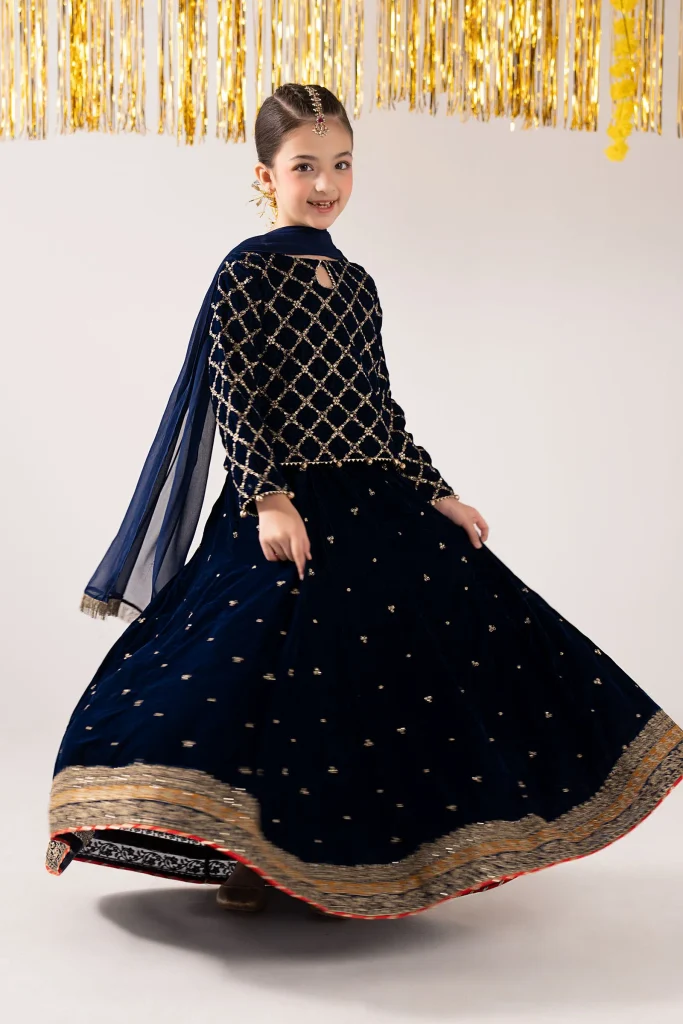
Eidi is one of the sweetest parts of Eid. A crisp envelope from a parent, a husband or an elder still feels special at any age. And once Eid day is over, the question comes up quickly. What should you spend it on?
For many women, the answer is clothes. When the Maria.B. Eidi sale opens, prices on pret, formals and accessories drop right when your wallet feels fullest. It is tempting to grab the heaviest outfit on the page. A smarter move is to buy pieces you will reach for again and again, long after Eid. Here is how to do that.
Think in Cost Per Wear
The price tag only tells part of the story. What matters more is how often you will wear something.
Here is a simple way to see it. Divide the price by the number of times you expect to wear the piece. A $120 embroidered kurta worn twelve times a year costs you $10 per wear. A $200 heavy formal worn once costs $200 per wear. The kurta is clearly the better buy, even though both looked tempting on sale.
Keep this math in mind as you browse. It quickly separates good deals from expensive impulse buys.
Pieces Worth Buying
These items earn their place long after the Eid photos are posted.
- An embroidered kurta in a neutral shade. Wear it with trousers for dinners or with jeans for a casual lunch.
- A two piece pret set in a soft color. It works for office events, family visits and smaller celebrations.
- One light formal. A chiffon or cotton silk outfit with moderate embroidery suits engagements, aqeeqahs and the next Eid.
- A good quality shawl. It adds warmth in winter and finishes any outfit.
- A versatile jewelry set. Simple jhumkas or a light necklace will pair with most of your wardrobe.
- A structured handbag or clutch in a neutral tone. You will carry it to every event of the year.
Pieces to Skip or Limit
Some sale items look like bargains but end up sitting in the closet.
- Very heavy formals with no event in sight. Unless a wedding is coming up, they rarely get worn.
- Trend colors that may fade from fashion within a season.
- Sizes you hope to fit into someday. Buy for the body you have now.
- Final sale items you are unsure about. If it cannot be exchanged, be certain before you click.
- Duplicates. If you already own three black kurtas, a fourth adds little.
One heavy piece is fine if you truly need it. Just do not let it eat your whole Eidi.
Colors and Fabrics That Last All Year
Color decides how often you will reach for a piece. Navy, ivory, black, olive and maroon pair with almost everything. They also look right in every season. Soft pastels like mint and blush are lovely for spring and summer events, so one pastel piece is a good addition.
Fabric matters just as much. Cotton silk and jacquard work in most weather. Chiffon with a lining suits warm days and dressier evenings. Lawn is perfect for summer, but it will not carry you through winter. If you live somewhere cold, a karandi or khaddar set from the sale will see heavy use for months.
A Simple Eidi Shopping Plan
Follow these steps before you open the sale page.
- Count your Eidi and decide how much goes to clothes. Many people keep a share for savings or a gift for someone else.
- Look through your closet. Note the gaps, such as a missing winter set or a formal for upcoming weddings.
- Make a short wishlist of three to five pieces that fill those gaps.
- Check sizes against the size chart and read the exchange policy.
- Shop early in the sale, when popular sizes are still in stock.
- Stick to the list. If something new catches your eye, ask whether it beats an item already on it.
Final Word
Eidi is a gift, and it deserves to be spent with care. A sale makes your money go further, but only when you buy pieces that fit your life. Think about cost per wear, choose lasting colors and fabrics and shop with a plan. That way, your Eidi keeps giving you something to wear all year long.
