
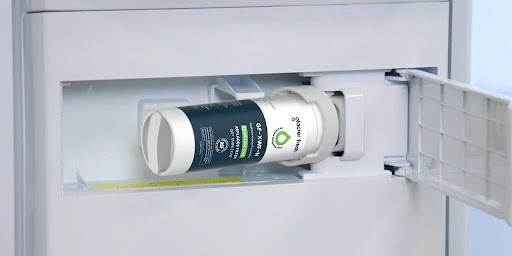
Access to clean and refreshing drinking water is an important part of everyday life. Whether families use water for cooking, preparing tea and coffee, filling bottles, or making ice, a reliable source of filtered water adds convenience to the kitchen. Modern refrigerators make this easier with built-in water dispensers and filtration systems. However, these systems require regular attention to maintain their intended performance. Choosing a compatible ge mwf water filter can help homeowners maintain their refrigerator’s filtration system while reducing certain substances that affect the taste and odor of drinking water.
Why Refrigerator Water Filtration Matters in Everyday Life
Many households depend on refrigerator water dispensers because they provide convenient access to chilled water without requiring separate filtration pitchers or bottled water. This convenience becomes even more valuable in busy homes where several family members use the dispenser throughout the day.
A refrigerator water filter works by passing incoming water through specially designed filtration media. Many cartridges use activated carbon, which can reduce certain substances through adsorption. This process is particularly useful for addressing chlorine-related tastes and odors.
For compatible GE refrigerator models, a ge xwfe water filter may be an appropriate replacement option. Choosing the correct cartridge is important because different refrigerator models use different filtration designs and connection systems.
A properly maintained filtration system can help improve the drinking experience, but consumers should remember that refrigerator filters are not designed to solve every possible water quality problem. Their capabilities depend on the specific product and its tested performance claims.
Understand What Your Refrigerator Filter Can Reduce
One of the most important steps in improving household drinking water is understanding the purpose of the installed filter.
Many refrigerator cartridges are designed to reduce chlorine taste and odor. Chlorine is commonly used in municipal water treatment to help control microorganisms, but some consumers find that it produces an unpleasant taste or smell.
Activated carbon filtration can help address this issue by adsorbing selected compounds as water passes through the cartridge.
However, not all filters offer identical filtration performance. Some models may have additional verified contaminant reduction claims, while others focus on basic aesthetic improvements.
Before purchasing a replacement, homeowners should review the manufacturer’s product documentation. Checking the relevant NSF/ANSI certifications can also help consumers understand which performance claims have been tested.
It is important not to assume that a standard refrigerator filter removes bacteria, viruses, dissolved minerals, or every chemical contaminant. Households with specific water quality concerns should consult local water quality reports or an appropriate water testing professional.
Develop a Consistent Filter Replacement Schedule
One common household maintenance mistake is forgetting when the refrigerator water filter was last changed.
A filter gradually accumulates substances as water passes through its filtration media. As the cartridge approaches the end of its recommended service life, its performance may decline, and water flow may become restricted.
Many refrigerator filters have a recommended replacement interval of approximately six months, although the actual schedule depends on the product, water consumption, and incoming water conditions.
Homeowners can make replacement easier by recording the installation date in a calendar or setting a reminder on their phone.
It is also helpful to keep a compatible replacement cartridge available. This prevents unnecessary delays when the existing filter reaches its recommended replacement date.
Following the manufacturer’s instructions is more reliable than waiting until water develops an unusual taste or the dispenser begins operating slowly.
Choose a Replacement Filter Based on Compatibility
A replacement filter should always match the refrigerator’s requirements. Buying a cartridge simply because it has a similar appearance or is advertised for a GE refrigerator is not enough.
Begin by locating the refrigerator model number. It is commonly printed on a label inside the refrigerator compartment or around the door frame.
Next, check the existing filter number and compare it with the compatibility information supplied by the replacement filter manufacturer.
GE refrigerators use multiple cartridge designs, including MWF, XWF, XWFE, and RPWFE. Each has its own compatibility requirements.
Some newer filtration systems also use RFID technology to identify compatible cartridges. Consumers should check whether their refrigerator requires this feature before ordering a replacement.
Taking a few minutes to verify these details can help prevent installation problems and unnecessary product returns.
Maintain the Water Dispenser and Ice Maker
A refrigerator filtration system is only one component of the complete water dispensing setup. The dispenser and ice maker also need occasional cleaning and inspection.
The dispenser area can collect fingerprints, water spots, and residue from everyday use. Cleaning accessible surfaces with a soft cloth and an appliance-safe cleaning product helps maintain a cleaner dispensing area.
The drip tray should also be emptied and cleaned regularly. Water that remains in the tray can collect residue and contribute to unpleasant odors.
Ice storage compartments deserve similar attention. Old ice can absorb odors from surrounding foods, particularly when the ice bin is not cleaned for extended periods.
Homeowners should follow the refrigerator manual when cleaning internal components and avoid using cleaning products that are not recommended for food-contact areas.
Recognize Changes in Water Flow and Taste
Monitoring the performance of a refrigerator water dispenser can help homeowners identify maintenance issues early.
If water begins flowing more slowly than usual, the filter may need inspection. However, reduced flow can also result from a kinked supply line, inadequate household water pressure, or another appliance problem.
Changes in taste or odor can also indicate that the filtration system needs attention. Before assuming the filter is responsible, consider whether the incoming water supply has recently changed.
If the dispenser stops working immediately after a cartridge replacement, check whether the filter is properly positioned and secured. Some systems require a specific installation sequence before normal dispensing resumes.
Following the recommended flushing procedure after replacement can help remove trapped air and loose carbon particles.
Make Water Quality Part of Your Household Routine
Improving the drinking water experience does not require complicated daily procedures. Small habits can make a meaningful difference in maintaining the refrigerator’s filtration system.
Keep reusable bottles and water containers clean, avoid touching dispenser openings unnecessarily, and clean the ice storage compartment periodically.
Check the filter replacement indicator when available, but remember that it generally provides an estimated maintenance reminder rather than a direct measurement of water quality.
It is also sensible to review the refrigerator’s maintenance instructions whenever a new cartridge is installed. These instructions explain the correct installation, flushing, and indicator-reset procedures for the appliance.
Conclusion
Maintaining good refrigerator water quality begins with choosing the correct replacement cartridge and following a consistent maintenance routine. Understanding filtration capabilities, checking product compatibility, replacing cartridges on schedule, and keeping the dispenser and ice maker clean can help support reliable refrigerator performance. Homeowners should also review certification information and understand the specific limitations of their filtration systems. With these practical habits, families can enjoy convenient access to refreshing drinking water while taking better care of an important kitchen appliance.
