
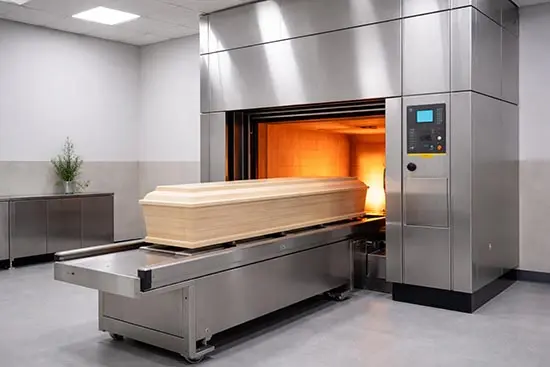
Cremation uses intense heat to reduce a body to bone fragments, which are then processed into the fine material families receive as ashes. It takes place in a purpose-built chamber at a crematorium, and staff follow careful identification steps throughout.
In this article, you will learn what happens before, during and after cremation, and where to find reliable answers to your own questions.
Why So Many People Wonder About It
Plenty of people choose cremation for a loved one without ever learning what it involves.
That is completely understandable. The subject can feel uncomfortable to raise, especially while grieving.
Yet knowing the basics often brings a sense of calm. Simple facts tend to replace the worrying details people imagine.
Asking the People Who Do This Work
The most reliable information comes from the provider arranging the service.
Funeral directors explain cremation regularly and can answer questions honestly and respectfully. In South East Queensland, Sovereign funerals not for profit funerals offers cremation services and takes time to explain the process to families.
Wherever you live, it is reasonable to ask any provider how they confirm identity, what happens to personal items and how ashes are returned.
Before Cremation Begins
The person is placed in a coffin, which is usually cremated with them.
Beforehand, staff check the paperwork and confirm identity. An identifying record or tag generally stays with the person throughout.
Some medical devices, such as pacemakers, are removed in advance because they can be unsafe when heated.
Jewellery is often removed too, unless the family asks otherwise. Let the funeral director know which items you would like returned.
Inside the Cremation Chamber
The coffin is moved into a specially designed chamber, often called a cremator.
Very high temperatures break down the coffin and the body. Soft tissue is vaporised, leaving bone fragments behind.
Trained operators manage each cremation and follow strict procedures from start to finish.
After Cremation
Once the chamber has cooled, operators carefully collect the remaining fragments.
Metal items, such as surgical pins or screws, are separated out at this stage.
The fragments are then processed into a fine, even material. This is what families know as ashes.
Finally, the ashes are placed in a container or urn. They are returned to the family or handled according to their wishes.
A Practice With Deep Roots
Cremation is far from new.
It has a long history across many cultures, from open-air pyres in the ancient world to the modern crematoria used today.
Faiths and communities hold different views about cremation, so families should follow the customs that feel right for them.
The Bottom Line
Cremation is a careful, respectful process. Heat reduces the body to bone fragments, which are processed into ashes and returned to the family.
Identification checks, the removal of certain devices and the handling of jewellery are all part of the routine.
If you have more questions, a funeral director is the best person to ask. There is no wrong question to ask. And if thinking about a loss feels heavy, a GP, counsellor or grief support service can help.
