
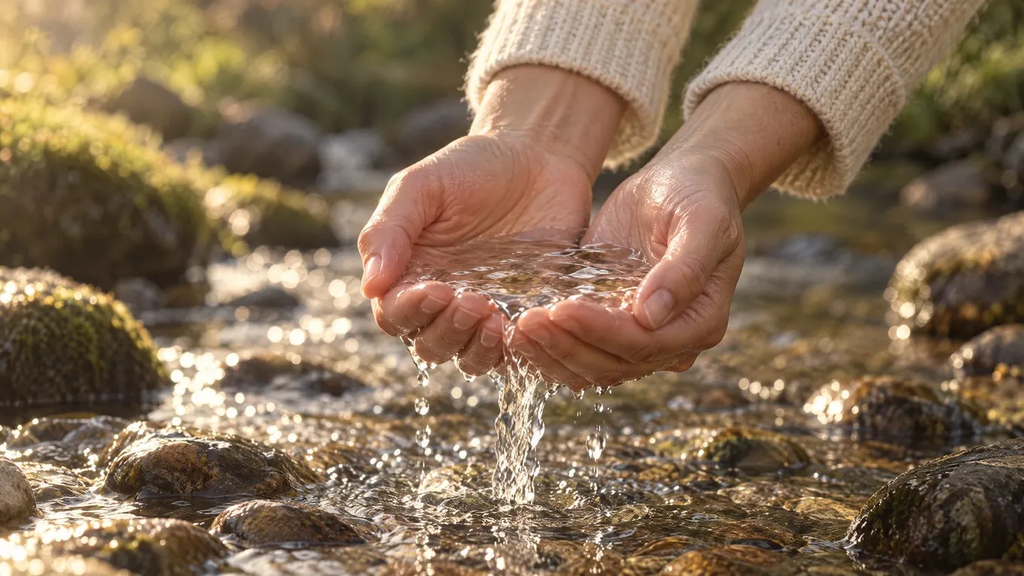
Water cremation is a gentle, flame-free alternative to traditional cremation. It uses water, heat and an alkaline solution to break the body down, leaving bone that is processed into a fine powder and returned to the family, much like ashes.
In this article, you will learn what water cremation is, why some people choose it, how the process works, what families receive afterwards and whether a funeral service can still take place.
What Water Cremation Is
Water cremation is also known as alkaline hydrolysis, aquamation or resomation.
Instead of flame, it relies on a carefully controlled solution of water and alkali.
The process speeds up the natural breakdown that would otherwise take many years.
Why Some People Choose It
People are drawn to water cremation for different reasons.
Some prefer water to fire. Others feel it suits their personal values or their wish for a quieter process.
Because it is a less familiar option, it helps to make your preference known in advance. Recording it as part of the pre planned funeral arrangements Melbourne families can refer to later means relatives will not need to guess what you wanted.
How the Process Works
The body is placed in a stainless steel vessel.
The vessel is filled with water and an alkaline substance, then heated under controlled conditions.
Live Science has described the solution as heated and pressurised, with potassium hydroxide as a key ingredient.
As the soft tissues break down, what remains is bone, along with any medical implants, which are separated out.
What Families Receive Afterwards
The remaining bone is dried and processed into a fine powder.
This is returned to the family in an urn or container of their choosing.
Families can then scatter, bury or keep the remains, just as they might after flame cremation, subject to local rules. Some families choose a biodegradable urn or a keepsake piece of jewellery for a small portion.
Can There Still Be a Funeral Service?
Yes. Water cremation affects only the final step, not the farewell itself.
Families can hold a service in a chapel, church or other venue before the cremation, or plan a memorial afterwards.
Readings, music, flowers, eulogies and photos can all be included in the usual way.
Is It Available Everywhere?
Availability varies by country, state, and region.
It is worth asking a funeral director whether water cremation is offered in your area before making firm plans.
Questions to Ask Before Choosing It
Ask whether the option is available locally, how long the full process takes, where the remains will be returned and whether it changes anything about the service.
If you hold particular religious beliefs, you may also wish to discuss the option with your faith leader.
The Bottom Line
Water cremation uses water, heat and alkali rather than flame.
Families still receive remains that can be kept or scattered, and a full funeral service can take place as normal.
For anyone curious about this option, a simple conversation with family and a written record of your wishes are good first steps.
