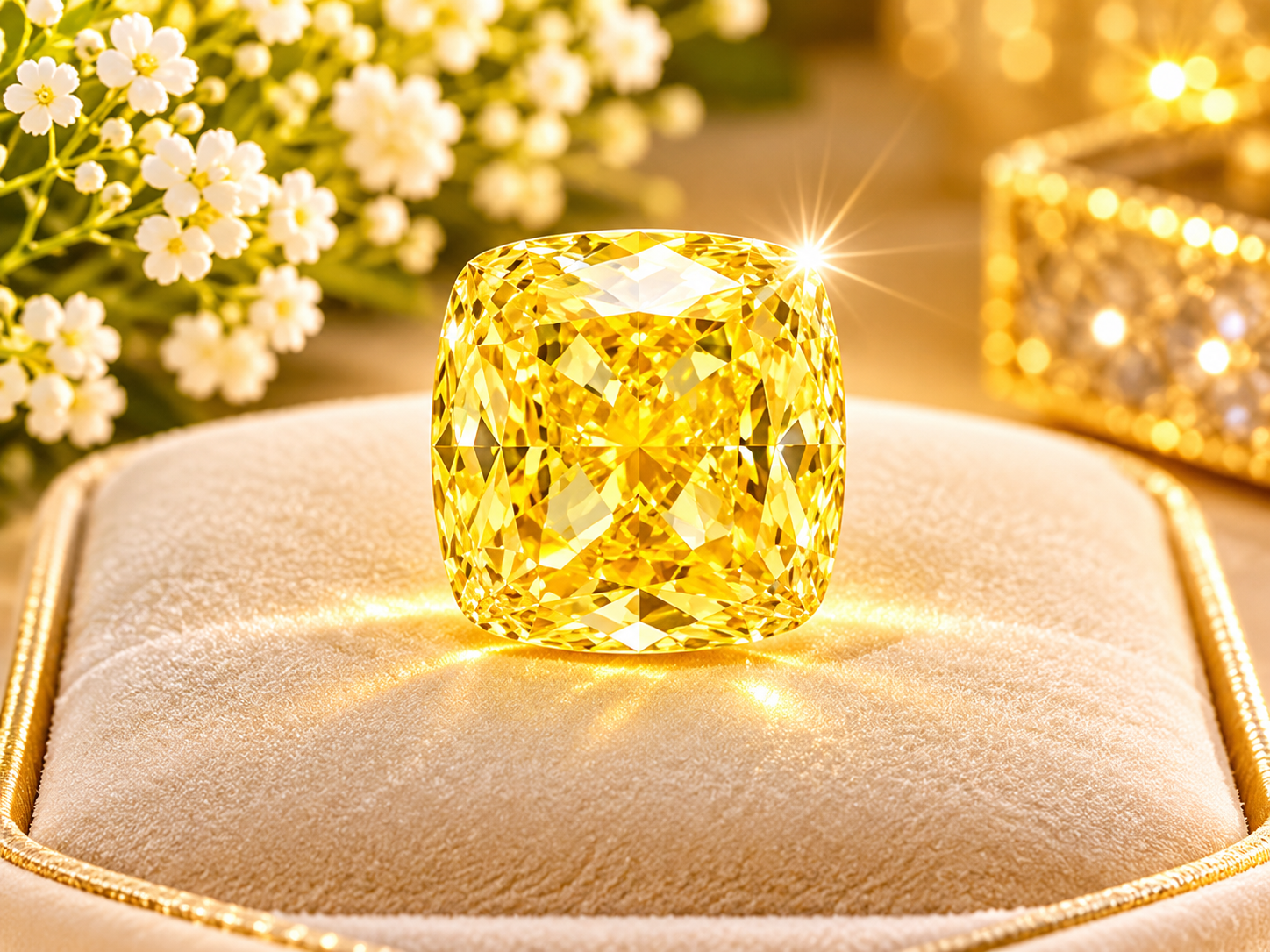
A diamond ring that blazed under the jeweller's lights can look oddly flat a week later. The stone hasn't changed. What has changed is the thin, almost invisible coating it has collected from your mornings: moisturiser, sunscreen, skin oil and the soap you didn't quite rinse away.
The products you use to look after your skin and stay healthy interact with metal, gemstones and pearls in predictable ways. Once you understand the chemistry, a few small changes to your routine can keep your pieces bright and your skin comfortable.
Why Diamonds Lose Their Sparkle So Fast
Diamonds have an unusual surface. It repels water but readily attracts oils and grease, which is why a freshly cleaned stone can look dull again within days.
Sparkle depends on light entering the top of the diamond, bouncing off the angled facets underneath and returning to your eye. When the underside is coated in lotion and skin oil, much of that light leaks out or scatters instead.
Hand cream is usually the biggest culprit, because it's designed to cling and gathers beneath the stone where a cloth can't reach.
What Residue Does to Coloured Diamonds
Coloured stones show the effect even more clearly. A yellow diamond owes its colour to nitrogen atoms trapped in its crystal structure as it formed, and that colour is best seen when light travels cleanly through the stone.
A greasy film softens the colour and can push a bright canary tone towards something murkier. If you own or are considering yellow diamond jewellery, judge the colour only when the piece is clean. A quick wash before comparing two stones tells you far more than a glance at the end of a long day.
The same applies to champagne, pink and blue diamonds. Their colour sits within the stone itself and doesn't wear away, but residue can mask it.
Sunscreen and the Gaps Around Your Settings
Sunscreen is essential, especially under the Australian sun. Mineral formulas rely on zinc oxide or titanium dioxide, fine white particles that sit on the skin to block UV.
Those same particles settle into claws, galleries and the underside of a band. Over time, they form a chalky paste that dulls stones.
The fix is simple. Apply sunscreen first, let it absorb for a few minutes, then put your rings on. When reapplying at the beach, put your rings in your pocket instead of rubbing cream over them.
Chlorine and Gold Do Not Mix
Pool water looks harmless, but chlorine reacts with the other metals blended into gold alloys. With repeated exposure, this can make gold brittle and lead to tiny cracks, a process known as stress corrosion.
The risk is greatest in the thin claws that hold a stone in place. A claw weakened by chlorine might look fine until the day it lets go.
Take rings off before swimming in a pool or sitting in a spa. The same caution applies to household bleach and many bathroom cleaners, so wear gloves or remove jewellery when cleaning.
Hand Washing, Sanitiser and Your Skin
Frequent hand washing is good for your health, yet it can be tough on the skin beneath a ring. Soap and water can get trapped under the band, and that patch of skin can stay damp long after the rest of your hand has dried.
For some people, trapped moisture leads to redness, itching or a rash that sits neatly in the shape of the ring. Taking rings off to wash, then drying your hands and fingers thoroughly before putting them back on, often helps. If irritation doesn't settle, see a GP or dermatologist rather than guessing at the cause.
Alcohol-based sanitiser won't harm diamonds or gold, though it does leave residue as it evaporates. Pearls are a different matter.
Why Pearls Need Gentler Rules
A pearl is built from layers of nacre, a mix of calcium carbonate and organic material laid down by the mollusc. That structure gives pearls their glow, and it also makes them sensitive.
Acids dissolve calcium carbonate. Perfume, hairspray, many cosmetics and even perspiration can slowly dull the surface and wear away lustre.
Jewellers often summarise the habit as "last on, first off". Put pearls on after makeup, perfume and hair products have settled, and take them off before you undress or wash at night. Wipe them with a soft, slightly damp cloth after wearing, and lay strands flat to dry so the silk thread isn't stretched.
Building a Jewellery-Friendly Routine
- The order of your routine matters more than the products themselves:
- Shower, moisturise, apply sunscreen and let everything absorb.
- Finish with perfume and hair products.
- Put on your jewellery last.
- At night, remove jewellery before cleansing your face or washing your hands.
Remove rings for the gym, gardening, housework and kneading dough. A hard knock can chip even a diamond along its natural cleavage planes, and grit can scratch softer metals.
Cleaning at Home Without Causing Damage
For diamonds set in gold or platinum, a bowl of warm water with a few drops of mild dish soap does most of the work. Soak briefly, brush gently behind the stone with a soft toothbrush, rinse in a bowl rather than over an open drain, and dry with a lint-free cloth.
Skip toothpaste and baking soda, which are abrasive. Never soak pearls, and avoid ultrasonic cleaners for pearls, opals, emeralds and any stone you're unsure about. If a diamond has been treated or has significant inclusions, ask a jeweller before using one.
A professional check now and then is also sensible. A jeweller can tighten worn claws and clean areas that home brushing misses.
The Bottom Line
Your skincare and hygiene habits don't harm your jewellery on purpose, but the chemistry is consistent. Oils cling to diamonds, mineral sunscreen packs into settings, chlorine weakens gold and acids dull pearls.
Putting jewellery on last, taking it off first, and giving it a gentle clean each week keeps stones looking their best. Your skin benefits too, with less trapped moisture and residue sitting against it all day.