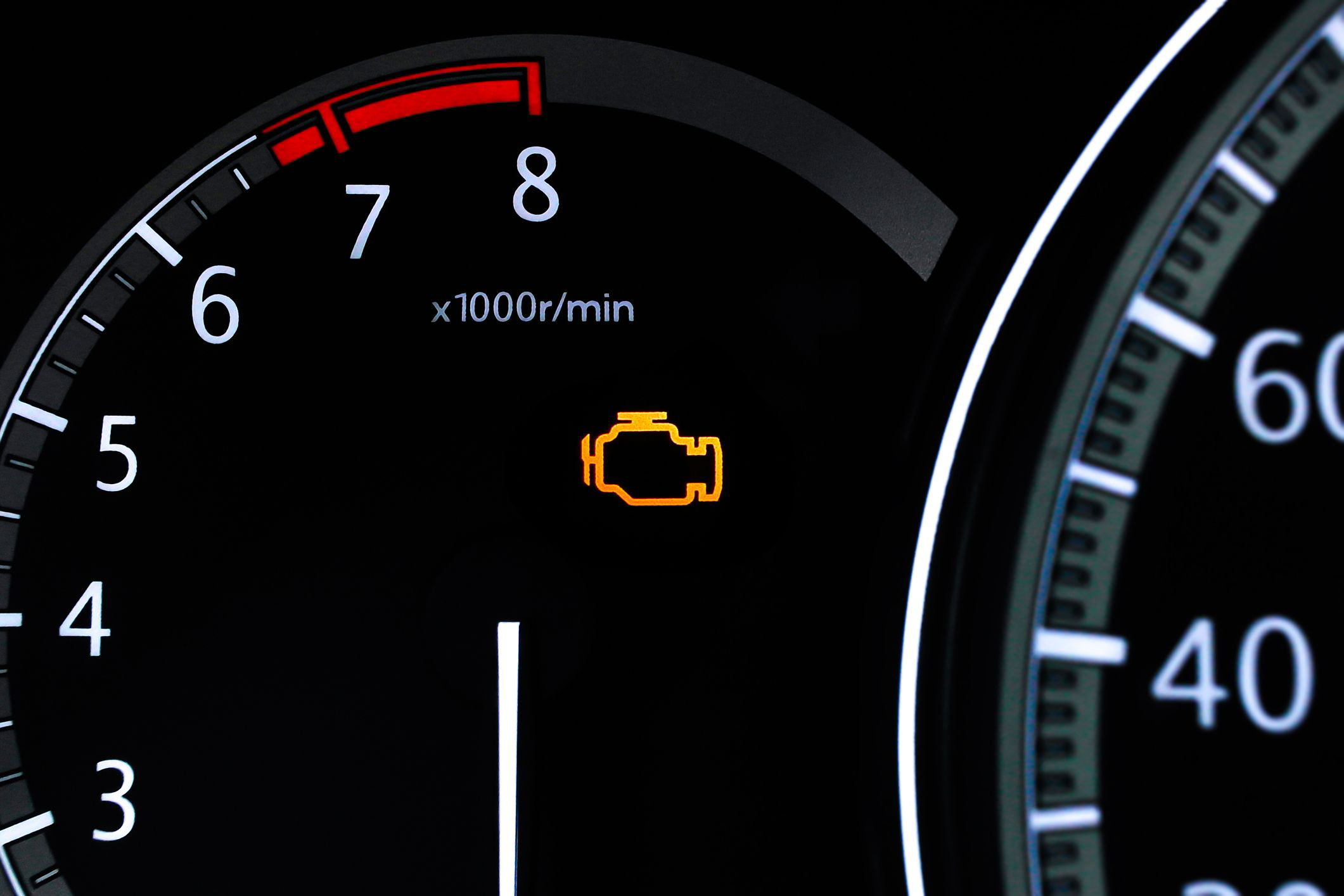
You are driving down the road when a yellow engine-shaped light suddenly appears on your dashboard. Your car seems to be working fine, but the warning makes you worried. Is something wrong with the engine? Will the repair cost a lot of money? These are common questions that many drivers ask when they see this warning.
The check engine light can turn on for many reasons, from a loose gas cap to a serious engine problem. Some issues are easy to fix, while others need help from a mechanic. Understanding what causes this warning can help you find the problem early, avoid expensive repairs, and keep your car running safely.
What Does the Check Engine Light Mean?
Modern vehicles have an onboard computer that monitors the engine and other important systems. This computer receives information from sensors placed throughout the car. When something stops working correctly, the computer stores a diagnostic trouble code and may turn on the engine warning light.
This system is called On-Board Diagnostics (OBD). Mechanics use an OBD2 scanner to read stored trouble codes and identify possible problems. However, a trouble code does not always tell you which part needs replacing. Further testing may be needed.
Solid vs. Flashing Engine Warning Light
The way an engine warning appears can tell you how quickly you need to act.
- Solid light: Usually means the computer has found a problem that needs attention soon.
- Flashing light: Often means a serious engine misfire that could damage the catalytic converter.
- Light turns off: The problem may have stopped, but a trouble code could still be stored.
If the warning flashes while driving, safely pull over and turn off the engine. Continuing to drive may cause serious damage.
10 Common Reasons Your Check Engine Light Comes On
Many engine problems can trigger a dashboard warning. Some are related to fuel, while others involve sensors, electrical parts, or the exhaust system.
Here are ten common causes and what you can do about them.
1. Loose or Damaged Gas Cap
A loose gas cap is one of the simplest causes of an engine warning. The cap seals the fuel tank and prevents fuel vapors from escaping.
When the cap becomes loose, cracked, or damaged, the vehicle’s fuel vapor control system may detect a leak. This can cause the dashboard warning to appear.
How to fix it: Remove the gas cap and check for visible damage. Tighten it properly or replace it if necessary. The warning may disappear after several driving trips.
2. Faulty Oxygen Sensor
An oxygen sensor measures the oxygen level in your car’s exhaust gases. It sends this information to the engine computer to help control the air and fuel mixture.
When the sensor stops working correctly, the engine may use more fuel than needed. You might notice poor gas mileage, rough running, or increased exhaust emissions.
How to fix it: Use a diagnostic scanner to check for related trouble codes. Have the sensor and its wiring tested before replacing any parts.
3. Worn Spark Plugs or Ignition Coils
Spark plugs create the spark that burns fuel inside a gasoline engine. Ignition coils provide the electrical power needed to create that spark.
When these parts wear out, the engine may misfire. You might notice shaking, rough idling, weak acceleration, or difficulty starting your car.
How to fix it: Inspect the ignition system and replace worn spark plugs or faulty coils. Always use parts that match your vehicle’s engine specifications.
4. Faulty Mass Air Flow Sensor
The mass air flow sensor, also called the MAF sensor, measures the air entering the engine. The computer uses this information to decide how much fuel the engine needs.
A dirty or faulty sensor can send incorrect readings. This may cause poor acceleration, rough idling, increased fuel use, or difficulty starting.
How to fix it: Check the air filter, intake pipes, and sensor connections. A dirty sensor may need careful cleaning, while a damaged sensor may require replacement.
5. Catalytic Converter Problems
The catalytic converter is an important part of the exhaust system. It helps reduce harmful gases before they leave the vehicle.
A damaged converter can affect engine performance and increase emissions. Engine misfires, fuel system problems, and exhaust leaks can also cause catalytic converter trouble.
Common symptoms include reduced engine power, poor fuel economy, and unusual exhaust smells.
How to fix it: Have a mechanic inspect the exhaust system and find the cause. Fixing engine problems early may help prevent further catalytic converter damage.
6. Vacuum Leaks
A vacuum leak happens when unwanted air enters the engine through a cracked hose, loose connection, or damaged gasket.
This extra air can disturb the engine’s air and fuel mixture. As a result, your car may idle roughly, hesitate during acceleration, or make a hissing sound.
How to fix it: Check visible vacuum hoses and connections for damage. A mechanic can perform a smoke test to locate leaks that are difficult to see.
7. Faulty Engine Thermostat
The thermostat controls coolant flow and helps the engine maintain the correct operating temperature.
If it stays open, the engine may take too long to warm up. If it stays closed, the engine can overheat and suffer serious damage.
Some vehicles turn on an engine warning when the coolant temperature stays outside the expected range.
How to fix it: Check the temperature gauge and coolant level when the engine is cold. If the engine overheats, stop driving safely and allow it to cool before inspection.
8. Dirty or Faulty Fuel Injectors
Fuel injectors spray fuel into the engine in carefully controlled amounts. This helps the engine produce power and run smoothly.
A clogged, leaking, or faulty injector may deliver the wrong amount of fuel. This can cause engine misfires, poor acceleration, rough idling, and higher fuel consumption.
How to fix it: Have the fuel injection system tested. Some injectors may benefit from professional cleaning, while damaged ones may need replacement.
9. Exhaust Gas Recirculation Valve Problems
The exhaust gas recirculation valve, commonly called the EGR valve, helps reduce certain harmful emissions.
It works by sending a controlled amount of exhaust gas back into the engine under suitable conditions. Carbon deposits can sometimes block the valve or cause it to stick.
A faulty EGR system may cause rough idling, hesitation, reduced power, or an engine warning.
How to fix it: Inspect the EGR system for carbon buildup, blocked passages, and electrical faults. Cleaning or replacing damaged parts may solve the problem.
10. Battery or Charging System Problems
Your vehicle needs a steady electrical supply to operate its computer, sensors, and other electronic parts.
A weak battery, failing alternator, or poor electrical connection can sometimes cause unusual sensor readings and warning messages.
You may also notice slow starting, dim headlights, or several dashboard lights appearing together.
How to fix it: Test the battery and alternator. Check the battery terminals for corrosion or loose connections. Charging faults often trigger a separate battery warning light.
Can You Drive With the Check Engine Light On?
Whether you can continue driving depends on the warning and how your vehicle behaves. A steady light with normal engine performance is often less urgent than a flashing warning.
However, ignoring the problem for too long can lead to more expensive repairs.
Follow these basic safety tips:
- Solid warning light: Arrange an engine diagnostic check soon.
- Flashing warning light: Stop driving safely and turn off the engine.
- Engine overheating: Pull over and let the engine cool.
- Severe shaking: Avoid further driving and seek professional help.
- Smoke or burning smell: Stop safely and have the vehicle inspected.
Even when your car seems normal, it is better to identify the problem before it becomes worse.
How to Diagnose an Engine Warning Light
Finding the exact cause is important before replacing any engine parts. A simple diagnostic process can save time and prevent unnecessary spending.
Step 1: Check for Simple Problems
Start with the easiest things to inspect. Check the gas cap, visible hoses, fluid levels, and dashboard warnings.
Look for loose connections, damaged parts, or signs of leaking fluids. Sometimes a small problem can explain why the warning appeared.
Step 2: Read the Trouble Codes
Connect a compatible OBD2 scanner to the vehicle’s diagnostic port. The scanner will display any stored diagnostic trouble codes.
For example, code P0301 usually means the computer has detected a misfire in cylinder one. However, this does not automatically mean the spark plug is faulty.
Step 3: Follow the Correct Repair Procedures
Different car models use different sensors, engine parts, and testing methods. That is why vehicle-specific repair information is important.
For example, Audi owners can use an Audi Repair Manual to understand engine trouble codes, locate sensors, and follow the correct diagnostic steps. Always choose information that matches your vehicle’s model, year, and engine.
Step 4: Fix the Problem and Test Again
Once you find the cause, repair or replace the faulty part. Follow the proper procedure to clear the trouble codes and test the vehicle again.
If the warning returns, further inspection may be needed.
How to Prevent Common Engine Problems
Regular maintenance is one of the best ways to keep your engine running smoothly. Simple tasks like changing engine oil, checking filters, and inspecting spark plugs can help reduce unexpected problems.
Every vehicle has its own maintenance schedule. For example, Audi drivers can check an Audi Service Manual PDF to find recommended service intervals, fluid specifications, and routine inspection procedures for their specific model.
Here are some useful maintenance habits:
- Change engine oil at the recommended intervals.
- Replace dirty engine air filters when needed.
- Inspect spark plugs according to the service schedule.
- Check coolant levels when the engine is cold.
- Keep battery terminals clean and secure.
- Repair small engine problems before they become serious.
- Follow the maintenance schedule for your vehicle.
These simple habits can improve reliability and help you avoid costly repairs.
Frequently Asked Questions
Can the check engine light turn off by itself?
Yes. The warning may disappear if the problem stops happening. However, the vehicle’s computer may still store a trouble code that can help identify the earlier issue.
Can a loose gas cap cause an engine warning?
Yes. A loose or damaged gas cap can allow fuel vapors to escape. The vehicle’s computer may detect this leak and turn on the warning.
Can low engine oil cause the warning light?
Low oil can lead to engine problems, but many vehicles have a separate oil pressure warning. If the oil pressure light appears, stop the engine safely and investigate immediately.
Will disconnecting the battery reset the warning?
Disconnecting the battery may clear some stored information, but it does not repair the actual problem. The warning can return if the fault remains.
Final Thoughts
The check engine light can appear for many reasons, from a simple gas cap problem to a serious engine fault. Understanding the common causes can help you make better decisions and avoid unnecessary repairs.
The best approach is to read the trouble codes, inspect the related systems, and follow the correct repair procedures. With regular maintenance and early diagnosis, you can keep your vehicle running safely and reduce the risk of expensive engine problems.