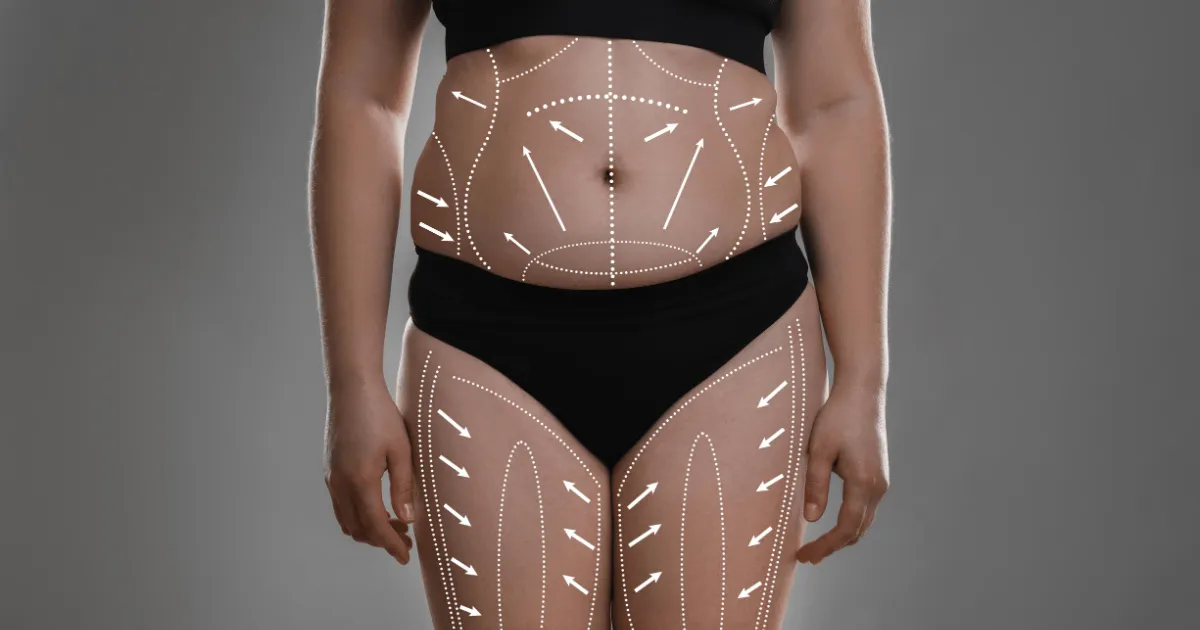
Pregnancy, birth and breastfeeding change the body in ways that diet and exercise cannot always reverse. The abdominal muscles can separate and stay apart, a condition called diastasis recti. Skin below the navel can lose its elasticity, and breasts often lose volume or sag once feeding ends. A mommy makeover, known in the UK as a mummy makeover, addresses these changes by combining two or more procedures in a single operation.
Interest in having this surgery abroad has grown quickly, and Istanbul is one of the most popular destinations. Many women researching mommy makeover Turkey options are drawn by shorter waiting times and packages that bundle the hospital stay, hotel and transfers. Those are real advantages, but a combined operation is major surgery, and the decision deserves more than a comparison of package lists. This guide covers what the procedure involves, what the safety evidence says, and how to plan the trip.
What the procedure usually includes
There is no single fixed recipe. Most plans combine:
- A tummy tuck (abdominoplasty) to remove loose skin from the lower abdomen and, where needed, repair separated abdominal muscles.
- Breast surgery, which may be a lift (mastopexy), an augmentation with implants, or both together.
- Liposuction to refine areas such as the flanks, hips or back.
The right combination depends on your anatomy and goals. A breast lift and a breast augmentation are different operations with different scars, recovery and risks, so make sure you know which one is planned. After examining you, a surgeon may also recommend splitting the procedures into two stages, particularly if the combined operating time would be long or your health history raises the risk.
How safe is it to combine procedures?
Combining operations means one anaesthetic and one recovery period, but also a longer time on the operating table. The published evidence is broadly reassuring when patients are carefully selected. A US national database study of 29,235 combined abdominoplasty and breast procedures performed between 2004 and 2011 found a major complication rate of 1.12% during the hospital stay, with venous thromboembolism (blood clots) in 0.1% of cases. A ten-year review from a single high-volume practice reported complication and revision rates similar to those of procedures performed separately.
Those numbers depend on good patient selection and experienced teams. Blood clots are the main serious risk, so ask your surgeon how clot risk will be assessed and managed: early walking, compression stockings, calf compression devices during surgery and, for some patients, blood-thinning medication. Smoking, a higher body mass index and certain medical conditions all raise the risk, and a careful surgeon will take them into account before agreeing to operate.
Are you a good candidate?
Surgeons generally look for women who:
- Have finished having children, since a later pregnancy can undo much of the result.
- Have reached a stable weight they can maintain.
- Are in good general health and do not smoke, or are willing to stop well before surgery.
- Have finished breastfeeding, ideally several months before the operation, so breast tissue has settled.
- Can arrange several weeks of help at home, including lifting small children.
There is no ideal age. A healthy woman in her fifties can be a suitable candidate, while a younger woman with poorly controlled health problems may not be. The final decision belongs to the surgeon after an in-person examination.
Planning your trip to Istanbul
A combined procedure usually takes 4 to 6 hours under general anaesthesia, followed by 1 to 2 nights in hospital. Most patients stay in Istanbul for 7 to 10 days in total. That window covers the first, hardest days of recovery, the removal of surgical drains, and a final check before the surgeon clears you to fly.
Before you travel, the surgeon will usually ask for recent blood tests, a full list of your medications and supplements, and photos for planning. Some medicines and herbal supplements affect bleeding and may need to be paused for a while before surgery, but only on medical advice, never on your own.
Book flights only after you know the clearance date, or choose a flexible ticket. Flights are not normally part of the package, and long-haul travel too soon after surgery increases the risk of clots. If possible, travel with a companion who can help you during the first days at the hotel.
Recovery, week by week
Every recovery is different, but a typical timeline looks like this:
- Week 1: The hardest week. Movement is limited, you may walk slightly bent forward to protect the abdominal incision, drains may still be in place, and compression garments are worn around the clock.
- Weeks 2 to 3: Drains are removed, the first follow-up check takes place, and most people are cleared to fly towards the end of this period. Desk work is often possible, but lifting is not.
- Weeks 4 to 6: Mobility improves steadily. Swelling and scars are usually at their most visible.
- Months 3 to 12: Swelling settles, scars begin to fade, and the final shape becomes clear.
Plan for the initial recovery to take around two to three weeks, and for full recovery to take six to twelve months.
How to compare providers
A well-organised mommy makeover Turkey plan names the surgeon, the hospital and every included item in writing. Beyond that, ask:
- What are the surgeon’s specialist qualifications, and can you see before-and-after photos of their own patients?
- Why does the surgeon recommend combining procedures in your case, and when would they advise staging?
- What is the clot prevention plan before, during and after surgery?
- What happens if you need an extra night in hospital, or if drains stay in longer than planned?
- Who handles your follow-up once you are home?
Prices change and every plan is individual, so request a written quote and check the provider’s current pages rather than relying on old figures.
Final thoughts
A mommy makeover can restore comfort and confidence after pregnancy, and many women are very satisfied with the result. The best outcomes come from realistic expectations, a carefully selected surgeon, honest preparation for recovery and a clear plan for aftercare at home. Take the time to get each of those right before you book.
Medical disclaimer: This article is for general information only and does not replace a consultation with a qualified medical professional. Suitability for any procedure, and the risks involved, can only be assessed by a surgeon after an individual examination.