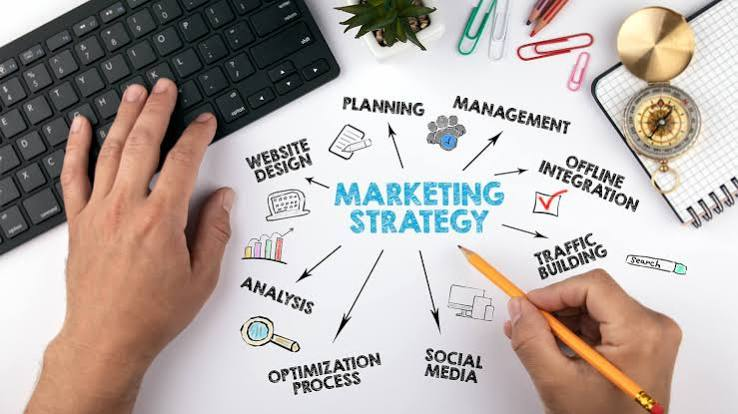
What makes some businesses thrive while others struggle to gain traction in their markets? Often, the difference comes down to marketing strategy. While trends and technologies change rapidly, certain fundamental approaches to reaching and engaging customers have remained effective for decades. These proven methods form the backbone of successful business promotion across industries, and understanding them can help you build a sustainable path to growth. Whether you operate a small startup or manage a large enterprise, these classic strategies offer reliable frameworks for connecting with your audience and building lasting customer relationships.
Content Marketing and Storytelling
Content marketing remains one of the most powerful ways to attract and retain customers. By creating valuable, relevant information that addresses your audience’s needs and questions, you position your business as a trusted resource rather than just another vendor. This approach goes beyond simply promoting products and instead focuses on educating potential customers, answering their concerns, and providing genuine value through blog posts, videos, whitepapers, guides, and other formats. When done consistently, content marketing builds credibility and encourages people to think of your business first when they need solutions. A manufacturing company, for example, might publish detailed technical guides or case studies showing how their equipment solves specific production challenges, naturally attracting qualified prospects who are actively seeking those solutions.
Email Marketing and Direct Communication
Email remains one of the highest-return marketing channels available, offering direct access to customers who have already expressed interest in your business. Building an email list allows you to maintain ongoing communication with prospects and existing customers without depending on algorithms or paid advertising platforms. The key is sending relevant, personalized messages that provide genuine value rather than constant sales pitches. Segmenting your email list based on customer behavior, preferences, or demographics ensures that recipients receive messages tailored to their specific needs. For instance, an e-commerce retailer might send different email sequences to first-time visitors, repeat customers, and those who abandoned shopping carts, each with messaging designed for that particular group. This targeted approach significantly improves engagement rates and customer lifetime value.
Search Engine Optimization and Organic Visibility
Appearing in search results when potential customers look for solutions related to your business is invaluable. Search engine optimization involves optimizing your website and content so that search engines rank it higher for relevant keywords and phrases. This includes technical improvements to site structure and speed, creating quality content around target topics, and earning links from reputable sources. Unlike paid advertising, organic search traffic continues to arrive without ongoing payment once those rankings are established. A local service business might optimize for terms like “plumbing services near me” or “emergency HVAC repair,” capturing customers at the exact moment they are actively seeking those services. The investment in SEO compounds over time, making it one of the most cost-effective long-term strategies available.
Relationship Building and Networking
Personal connections and face-to-face interactions remain surprisingly powerful in a digital world. Building genuine relationships with customers, partners, and industry peers creates opportunities for referrals, collaborations, and word-of-mouth promotion. Networking events, industry conferences, and community involvement allow you to meet potential clients and demonstrate expertise in your field. These personal interactions often lead to stronger business relationships than cold outreach ever could. Exhibitors who want to maximize visibility at crowded industry events often rely on a peninsula trade show booth to create an open, accessible display that draws attendees from multiple aisles and encourages genuine conversation. Investing time in authentic relationship building creates a natural pipeline of opportunities that paid advertising alone cannot replicate.
Data Analysis and Customer Understanding
Making informed decisions based on actual customer behavior and preferences separates successful businesses from those that rely on guesswork. Tracking metrics like conversion rates, customer acquisition costs, website traffic patterns, and sales data reveals what is working and what needs adjustment. Understanding your customers’ demographics, interests, pain points, and purchasing patterns allows you to refine your messaging and targeting over time. Tools for gathering this information range from simple website analytics to more sophisticated customer relationship management systems. A retail business might analyze sales data to identify their most profitable customer segments and then concentrate marketing efforts on similar prospects, thereby improving return on marketing investment. This data-driven approach transforms marketing from intuition-based assumptions into strategic, measurable activities.
Social Proof and Customer Testimonials
People trust other customers more than they trust marketing messages from businesses themselves. Customer reviews, testimonials, case studies, and user-generated content serve as powerful social proof that influences purchasing decisions. Encouraging satisfied customers to share their experiences and displaying those recommendations prominently builds credibility with potential buyers. This strategy works because prospective customers see real people achieving real results, which reduces perceived risk in their purchasing decision. A software company, for example, might showcase customer success stories featuring specific, quantifiable results, making abstract promises concrete and believable to prospects evaluating whether the product fits their needs.
Consistent Branding and Messaging
Maintaining consistent messaging, visual identity, and values across all customer touchpoints reinforces brand recognition and builds trust. When customers encounter consistent branding on your website, social media, email communications, and advertising, they develop stronger recognition and recall. This consistency signals professionalism and reliability, making customers more comfortable doing business with you. Your brand should clearly communicate who you are, what you offer, and why customers should choose you over competitors. A well-executed brand identity extends beyond a logo to encompass tone of voice, visual design, and the overall customer experience, all of which contribute to how your business is perceived over time.
Conclusion
The most successful businesses rarely rely on a single marketing approach. Instead, they combine multiple classic strategies that work together to reach customers at different stages of their journey. Content marketing builds awareness and trust, email marketing maintains engagement, search optimization ensures visibility, and personal relationships create loyalty. These time-tested strategies have proven effective across industries and market conditions because they address fundamental human needs for information, trust, and genuine value. By implementing these seven classic marketing strategies thoughtfully and consistently, your business can build a strong foundation for sustainable growth regardless of how rapidly the marketing landscape continues to evolve.